Quick Info
May – June
March – AprilJuly – August
Full sun
1/4 inch deep
7 – 10 days
Brussels Sprouts
Hestia
Hestia
Quick Info
May – June
March – AprilJuly – August
Full sun
1/4 inch deep
7 – 10 days
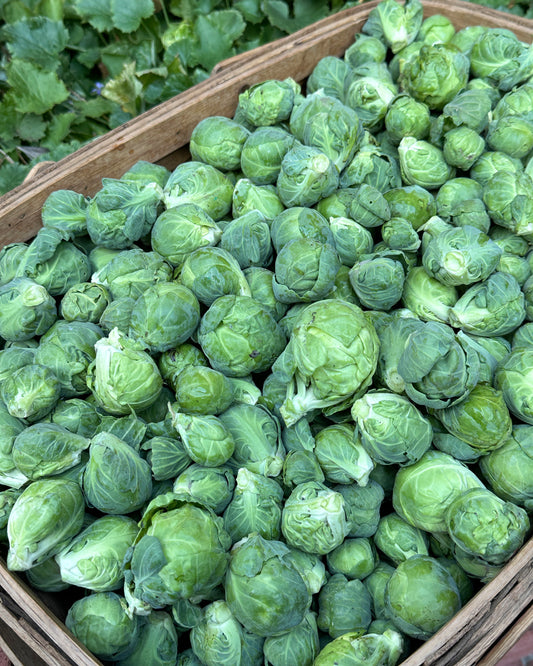
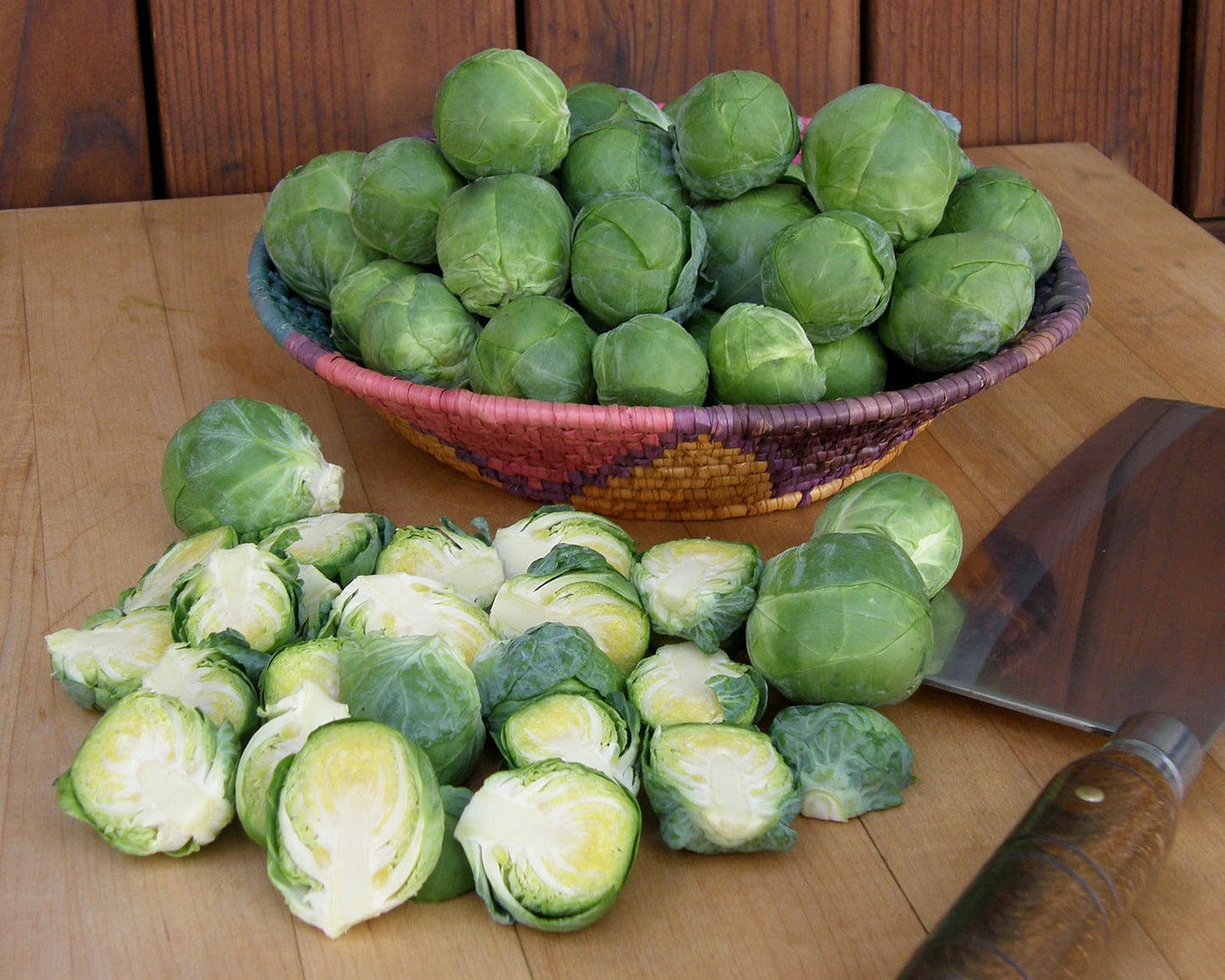
Extra-fancy variety bred for flavor and productivity offers heavy yields of solid, crunchy, bright green sprouts. Plants are burst and rot resistant and easily withstand early frosts for extended harvesting.
Seed Count: Approx. 18-20 / Weight: 100 mg / F-1 Hybrid
- SKU:5974
Couldn't load pickup availability
Quick Info
May – June
March – AprilJuly – August
Full sun
1/4 inch deep
7 – 10 days


 GROWING INSTRUCTIONS

TO START EARLY INDOORS
Start seeds 4 or 5 weeks before last expected spring frost and again in midsummer for a fall crop in mild winter areas. Sow seeds 1 inch apart in a container of seed starting mix, cover lightly, about 1/4 inch deep and keep evenly moist. Provide a strong light source. When seedlings are large enough to handle, gradually acclimate to outdoor conditions, then transplant 24 inches apart into very fertile, well-drained soil in full sun.
TO START OUTDOORS
In early summer, plant seeds in well-worked, fertile soil in full sun. Plant groups of 2 seeds 1/4 inch deep and two feet apart. Space rows 18 inches apart. Thin to 1 strong seedling per group so plants have room to mature and grow.
GROWING NOTES
Brussels sprouts thrive in rich soil amended with lots of organic matter. Keep growing plants well watered and weeded. Feed at least monthly with all-purpose fertilizer. Use nontoxic B.T. (Bacillus thuringiensis) products to repel caterpillar pests as necessary and wash away aphids if they appear.
HARVEST AND USE
Mulch plants well and begin harvesting when sprouts are well filled out, but still tightly closed. Pick lowest sprouts on the elongated stem first, so higher sprouts will continue to grow. Mature Brussels sprouts will handle light frosts and cold weather actually sweetens their flavor.
 GARDENING 101

Articles & Blogs
No related articles found for this product yet.