Quick Info
April - June
Full sun
1 inch deep
12 inches apart
7 - 10 days
Compact Vining Gourds
Bath Loofah
Bath Loofah
Quick Info
April - June
Full sun
1 inch deep
12 inches apart
7 - 10 days
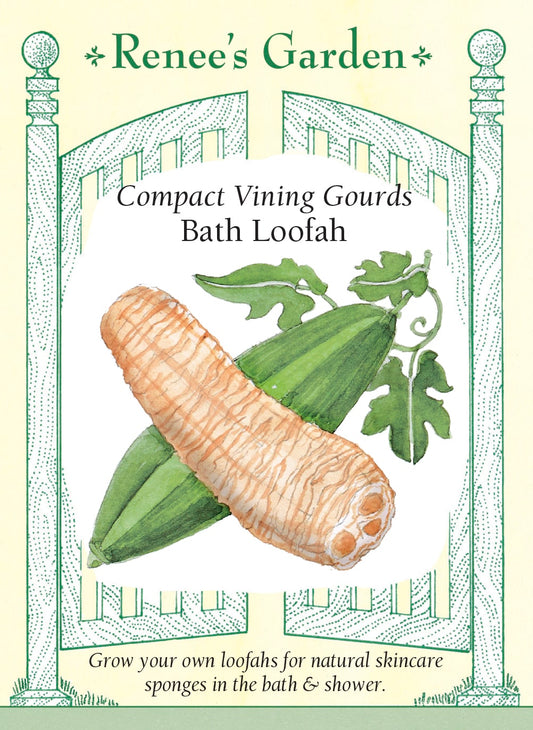
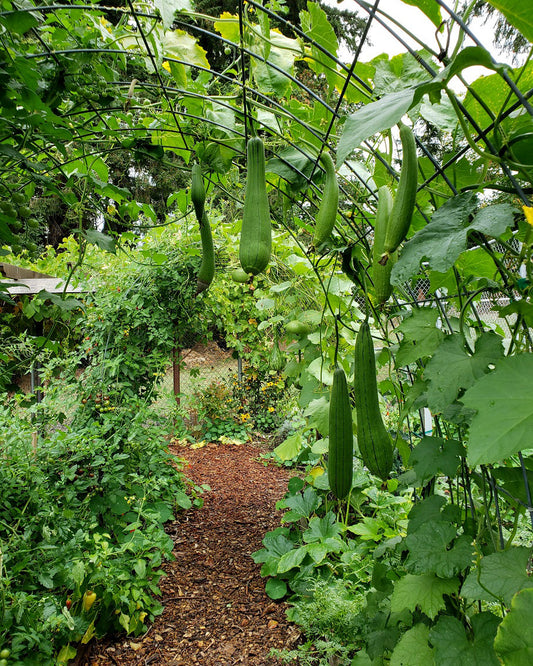
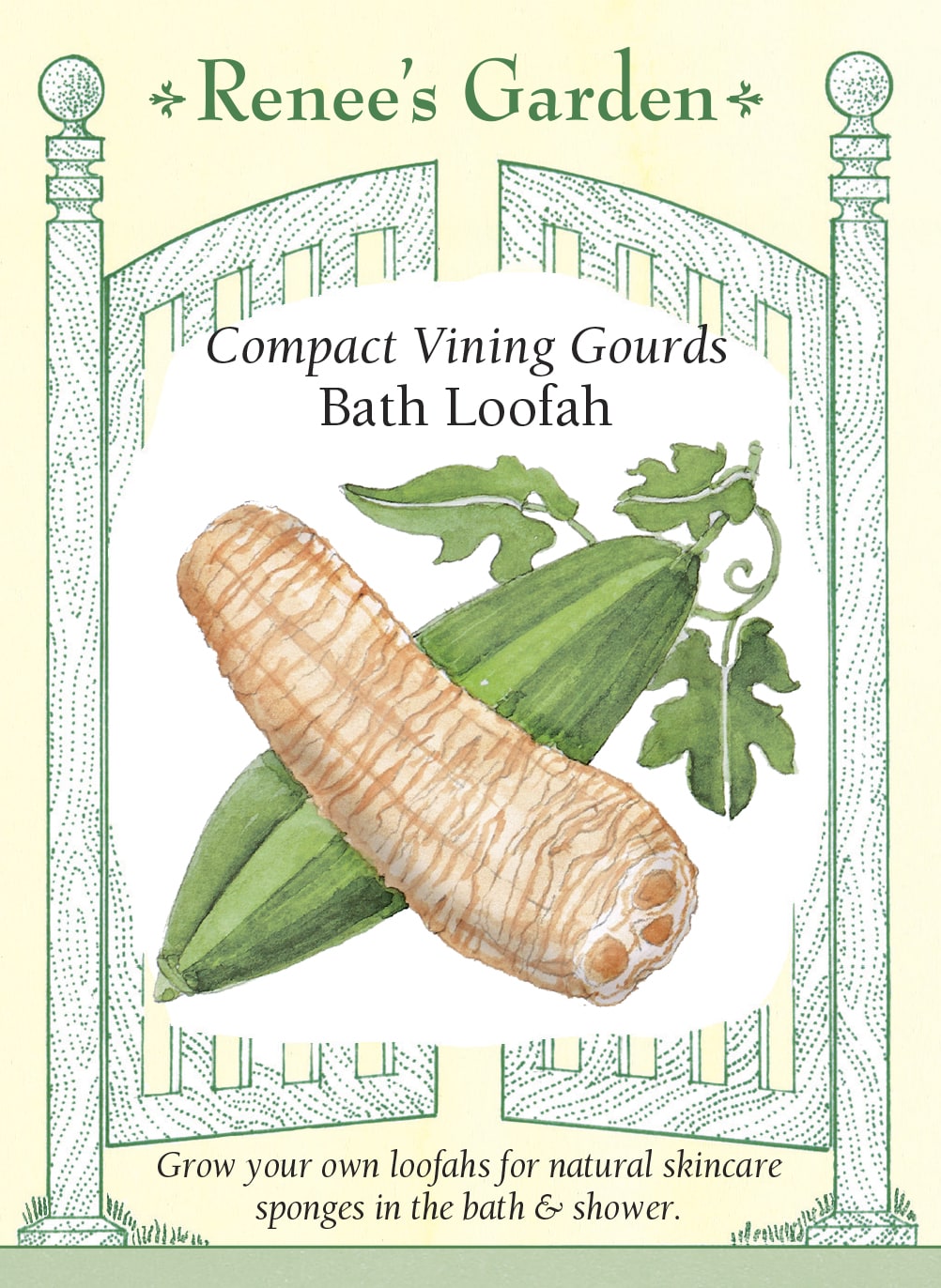
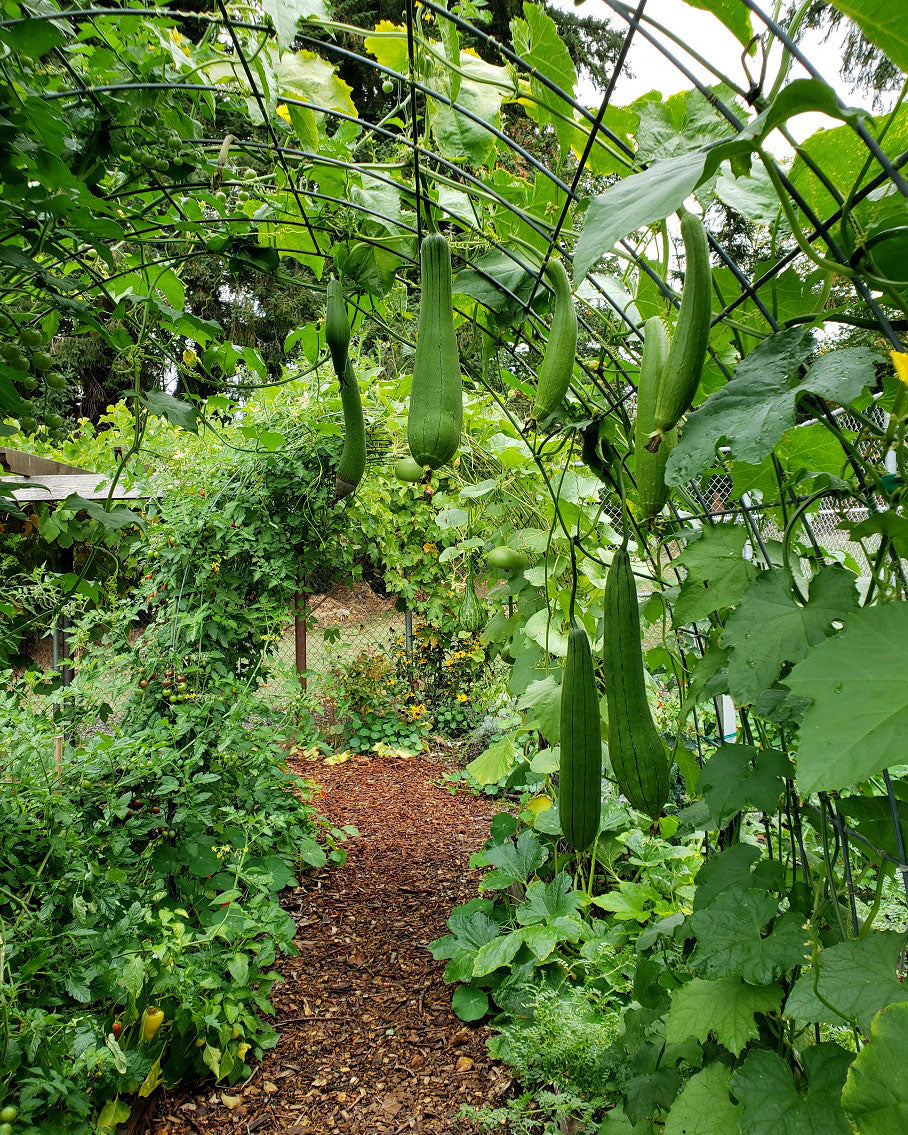
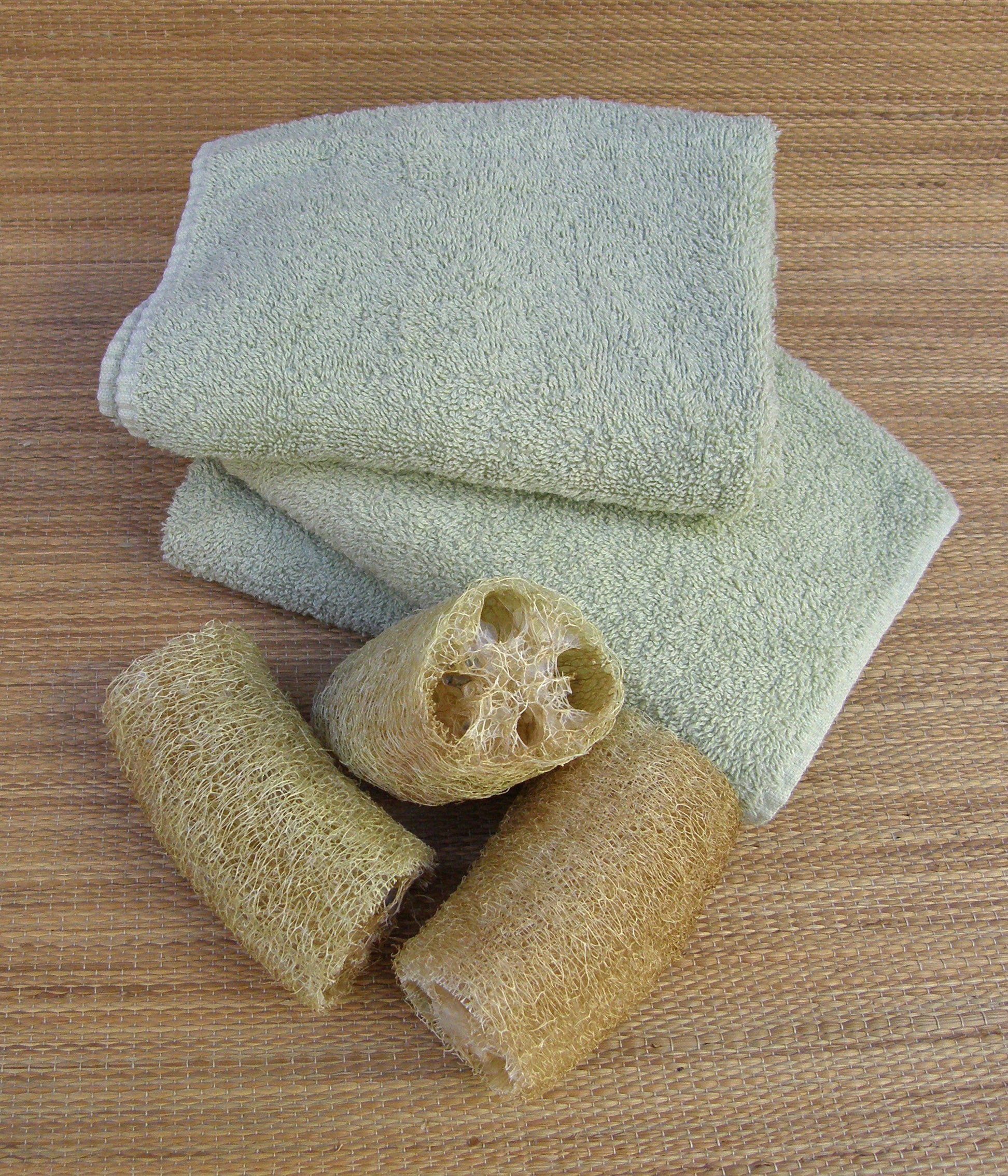
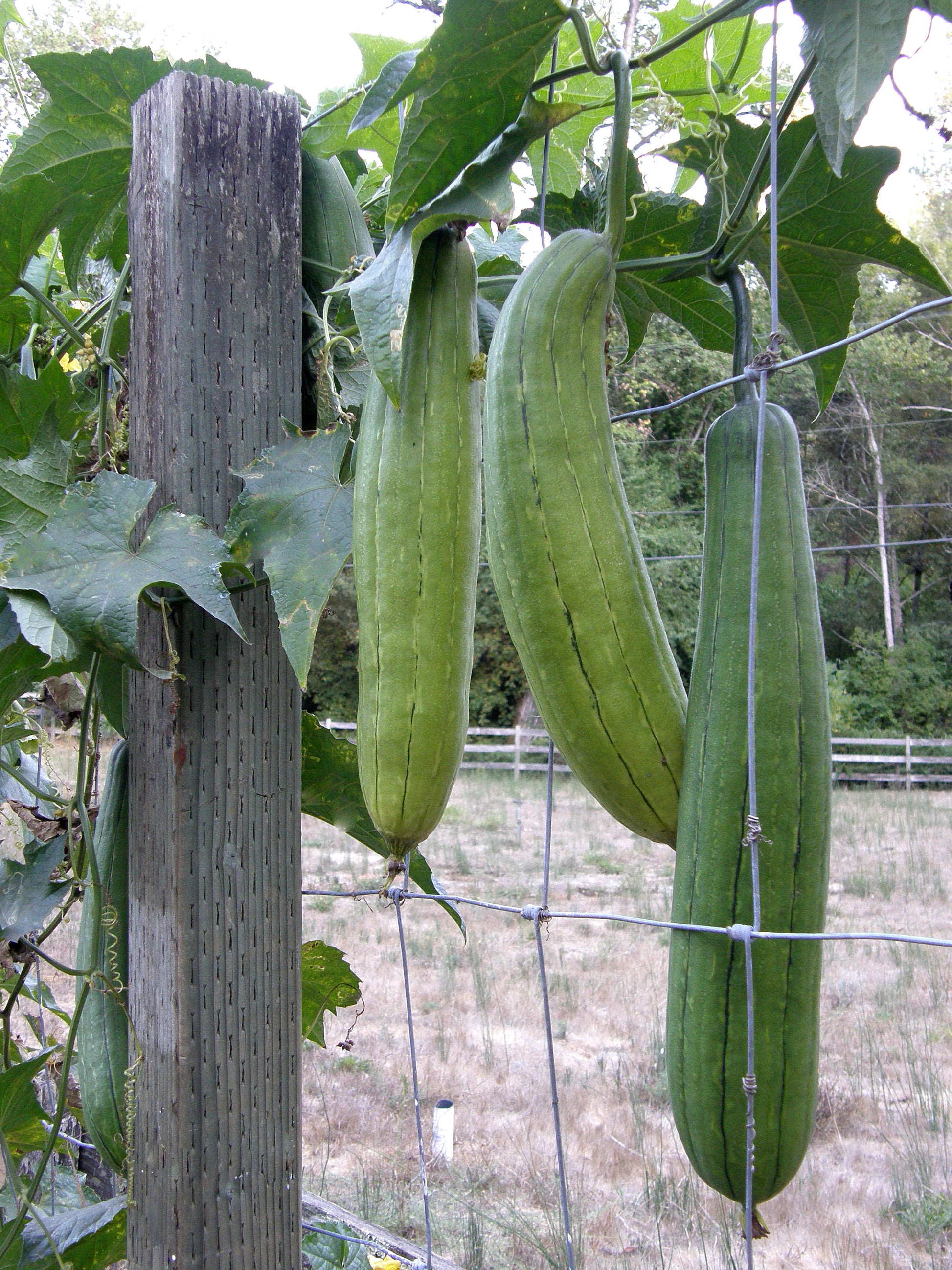
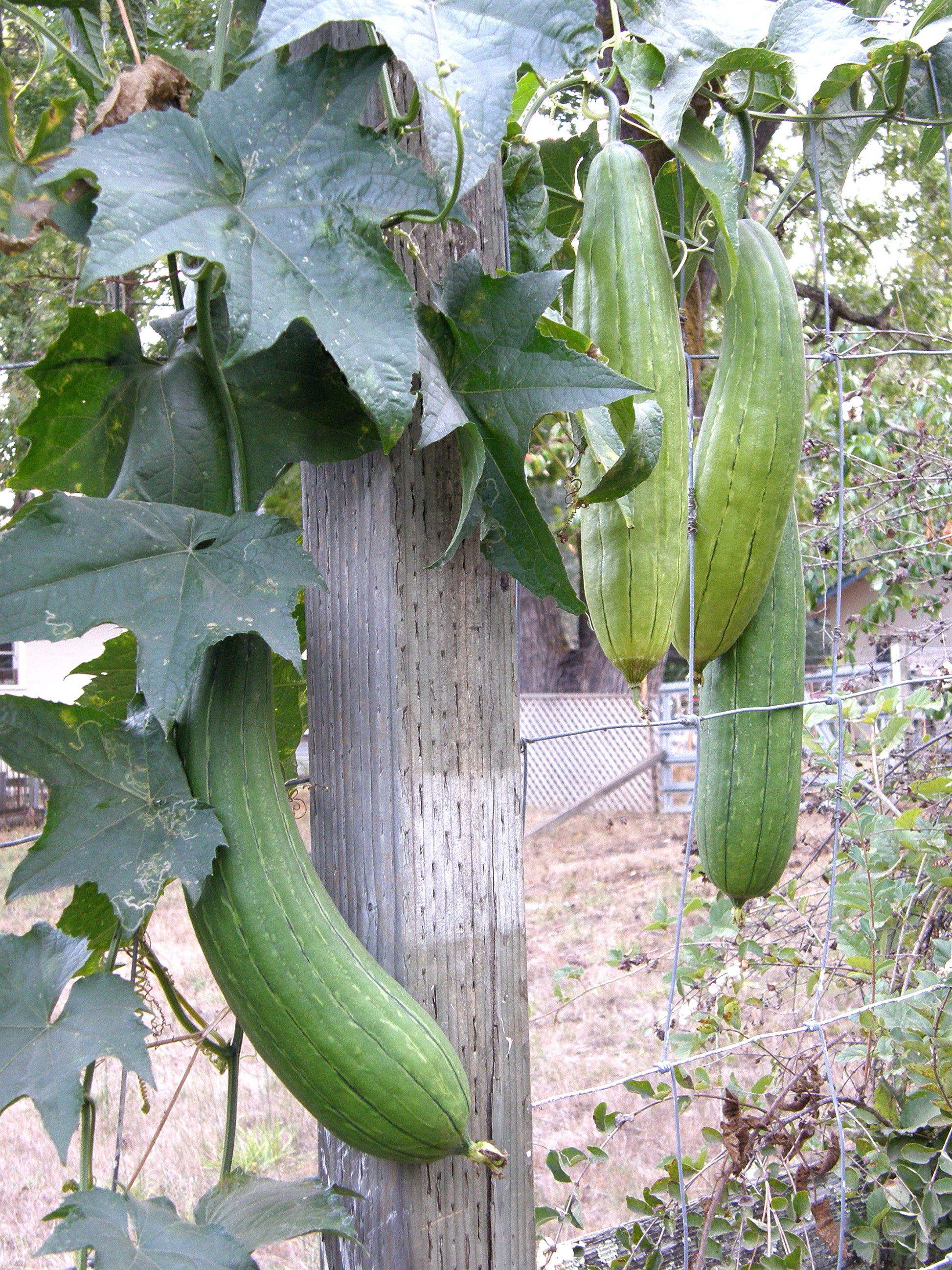
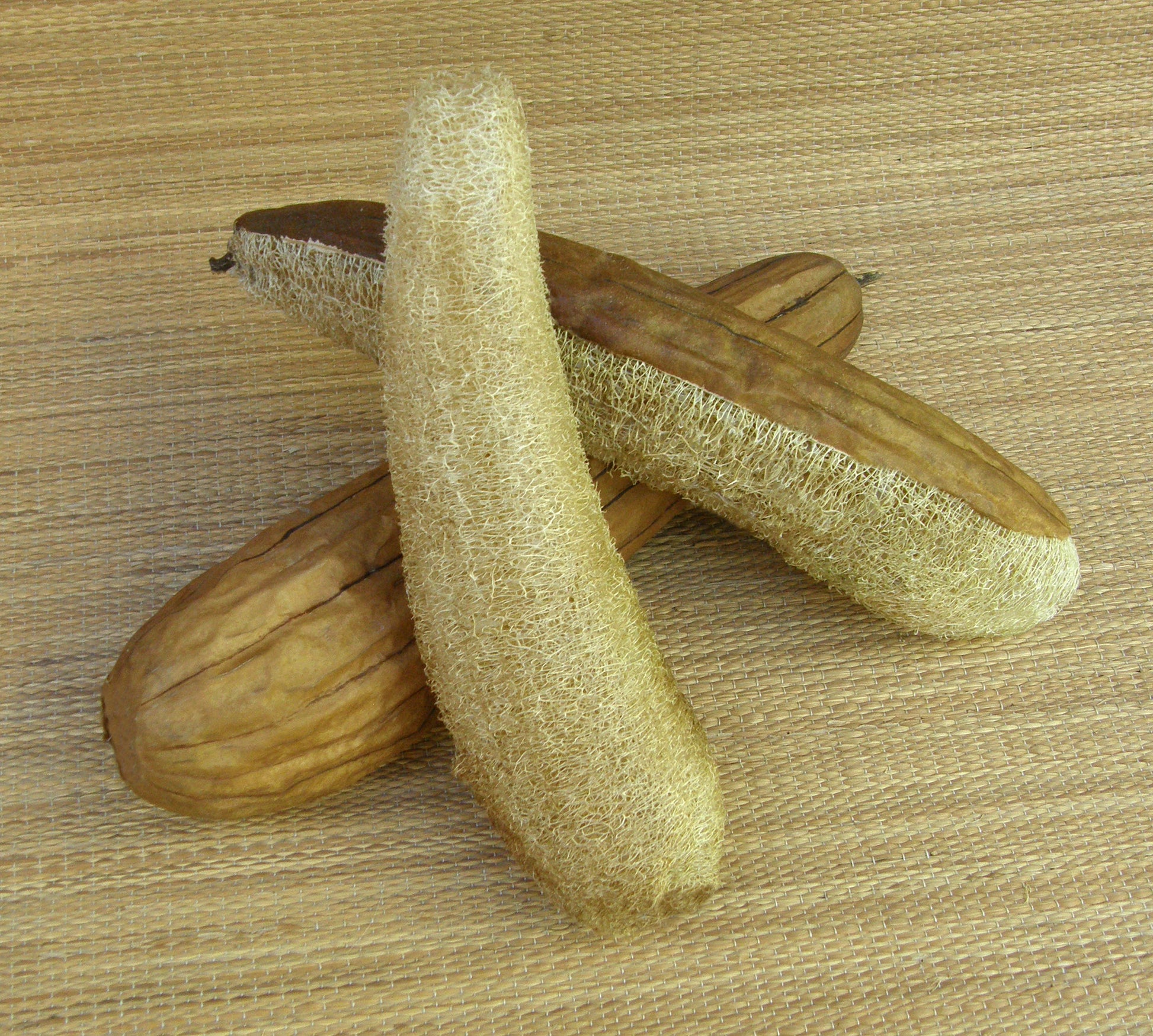
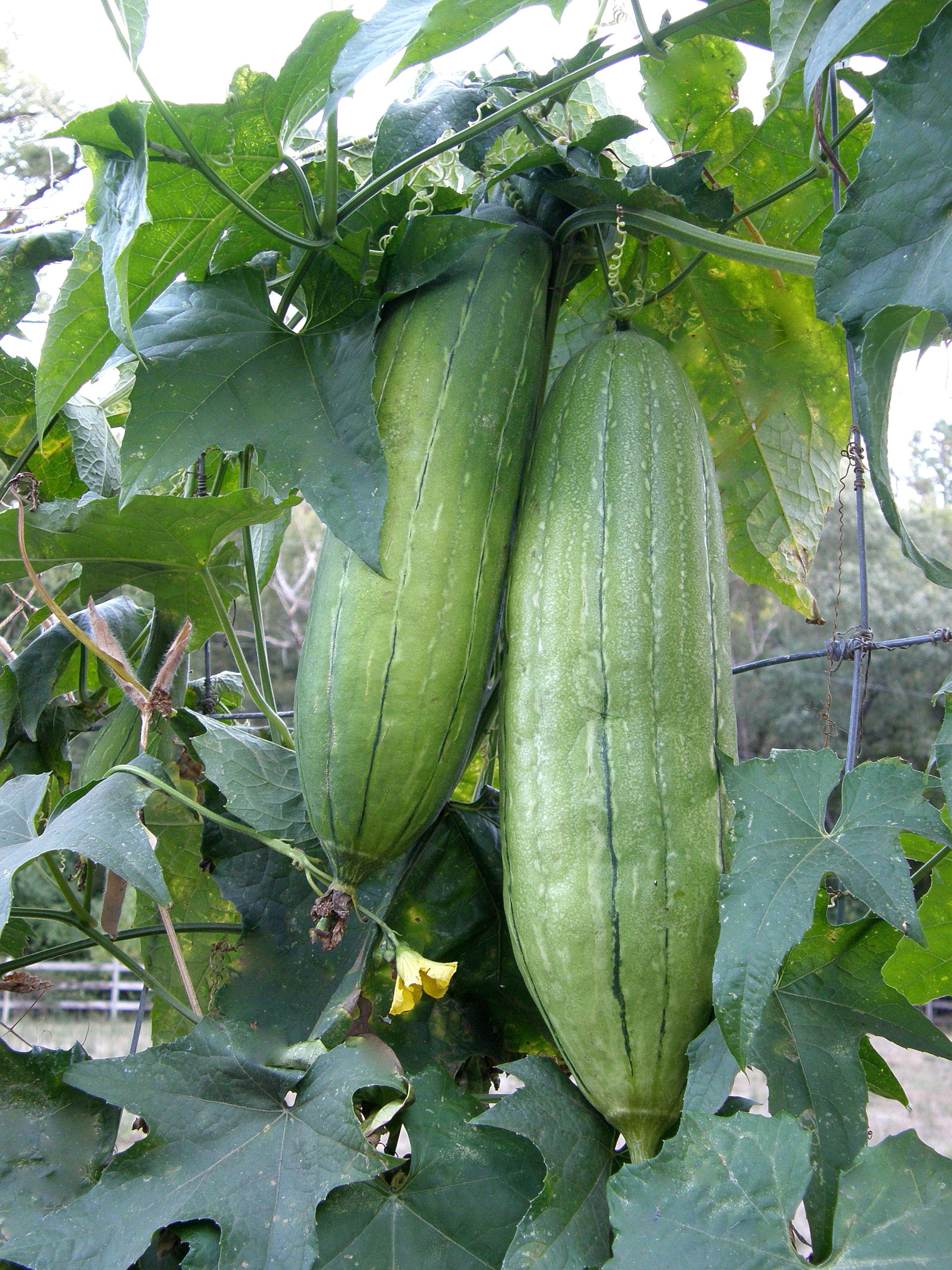
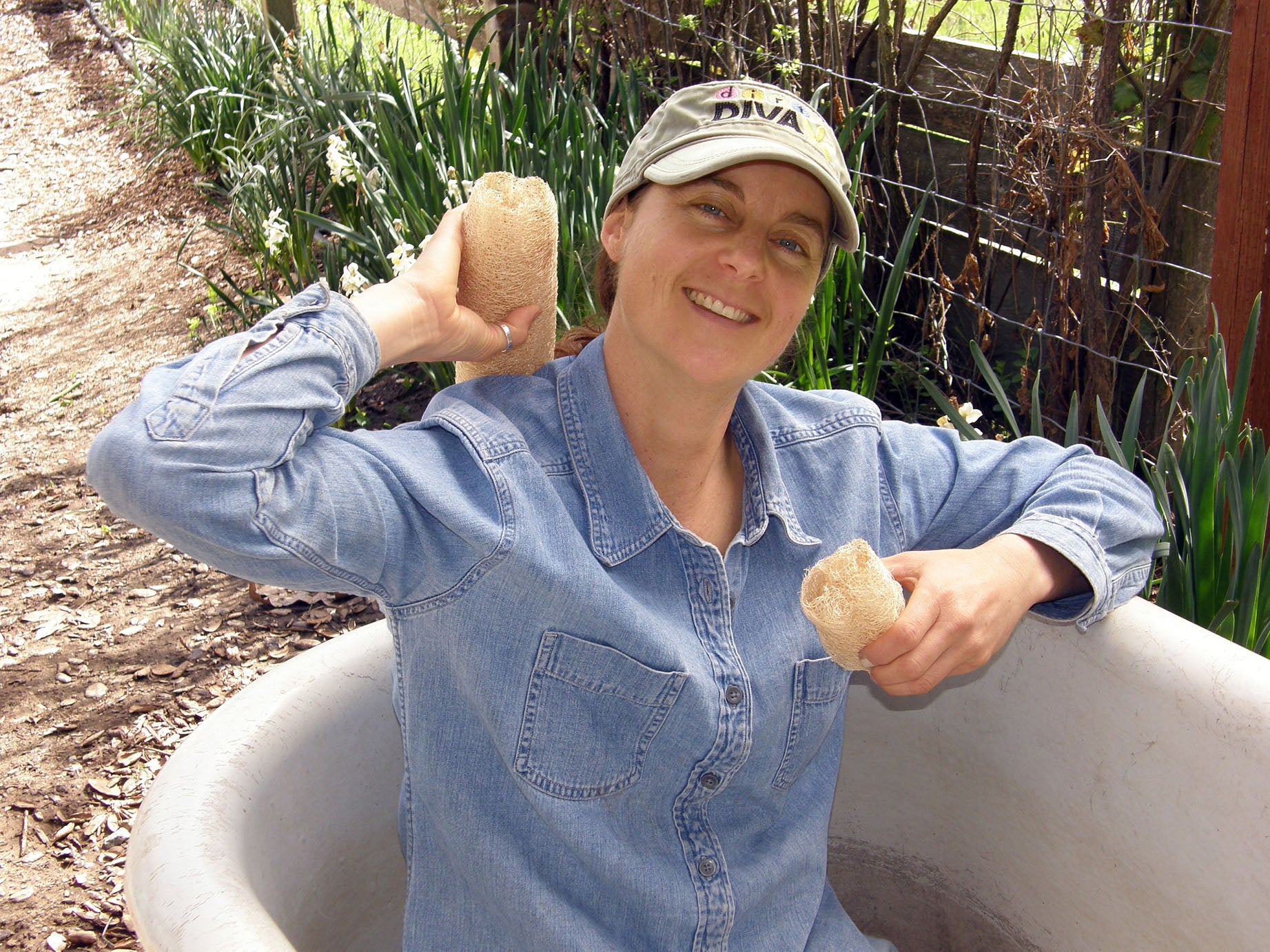
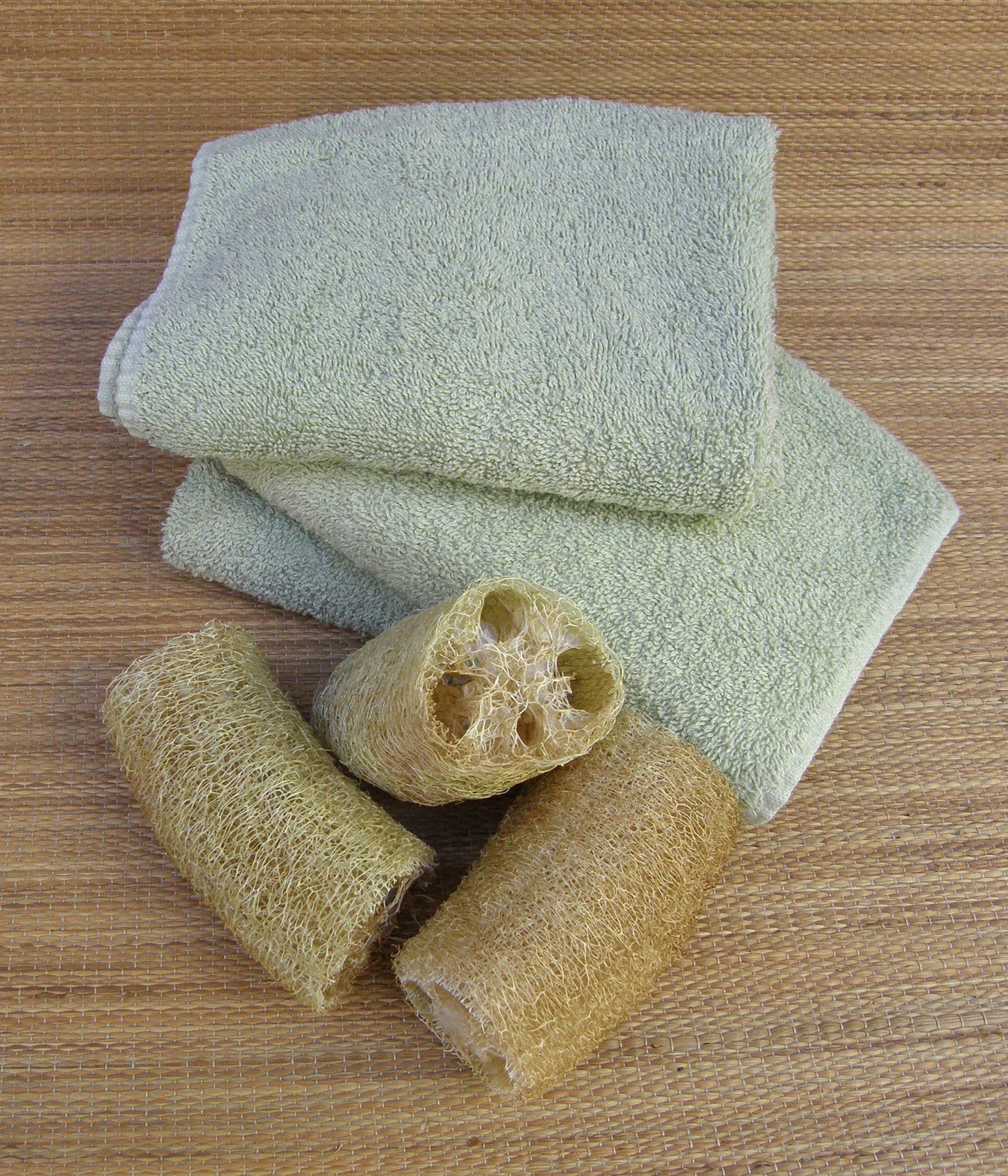
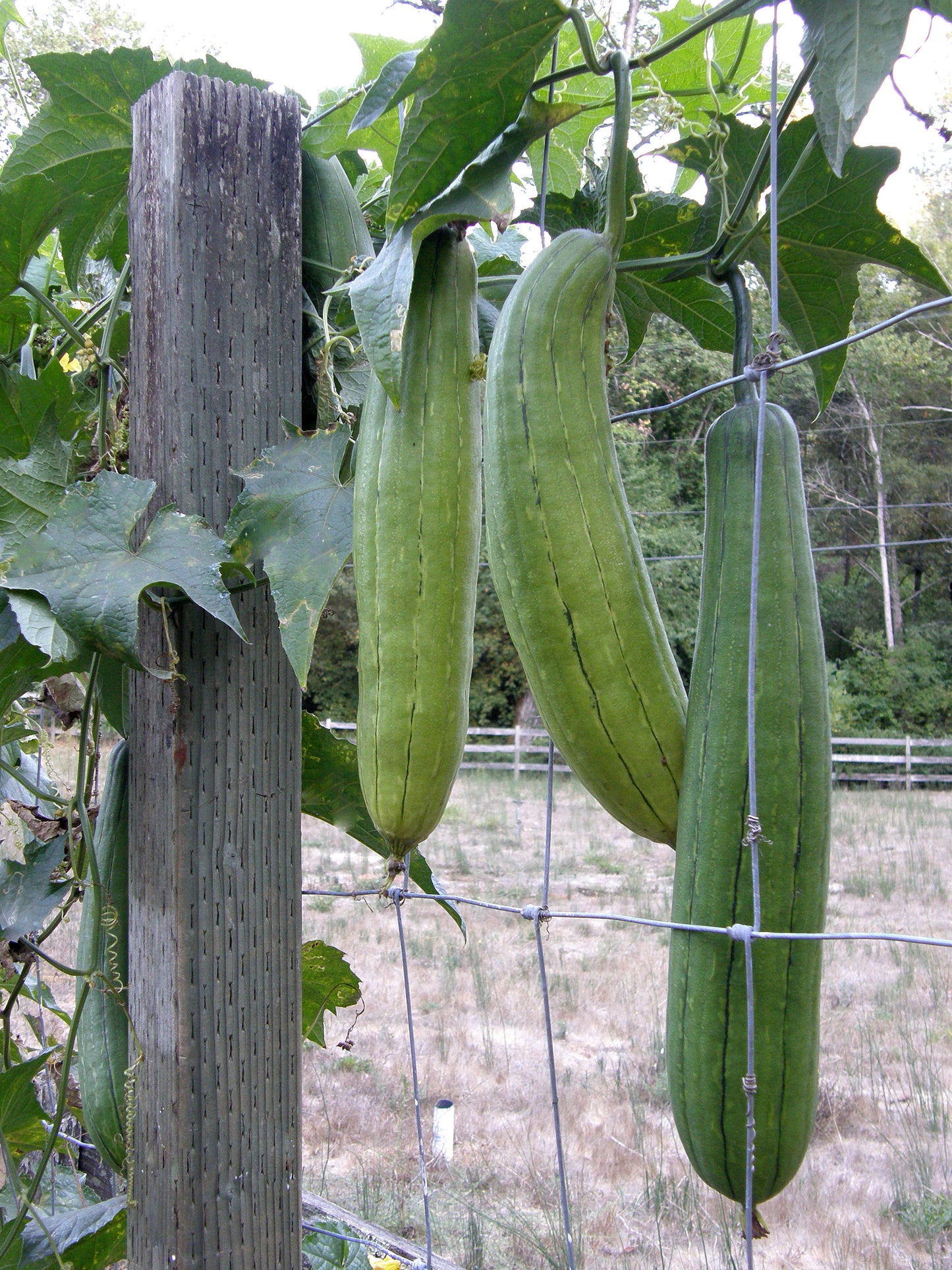
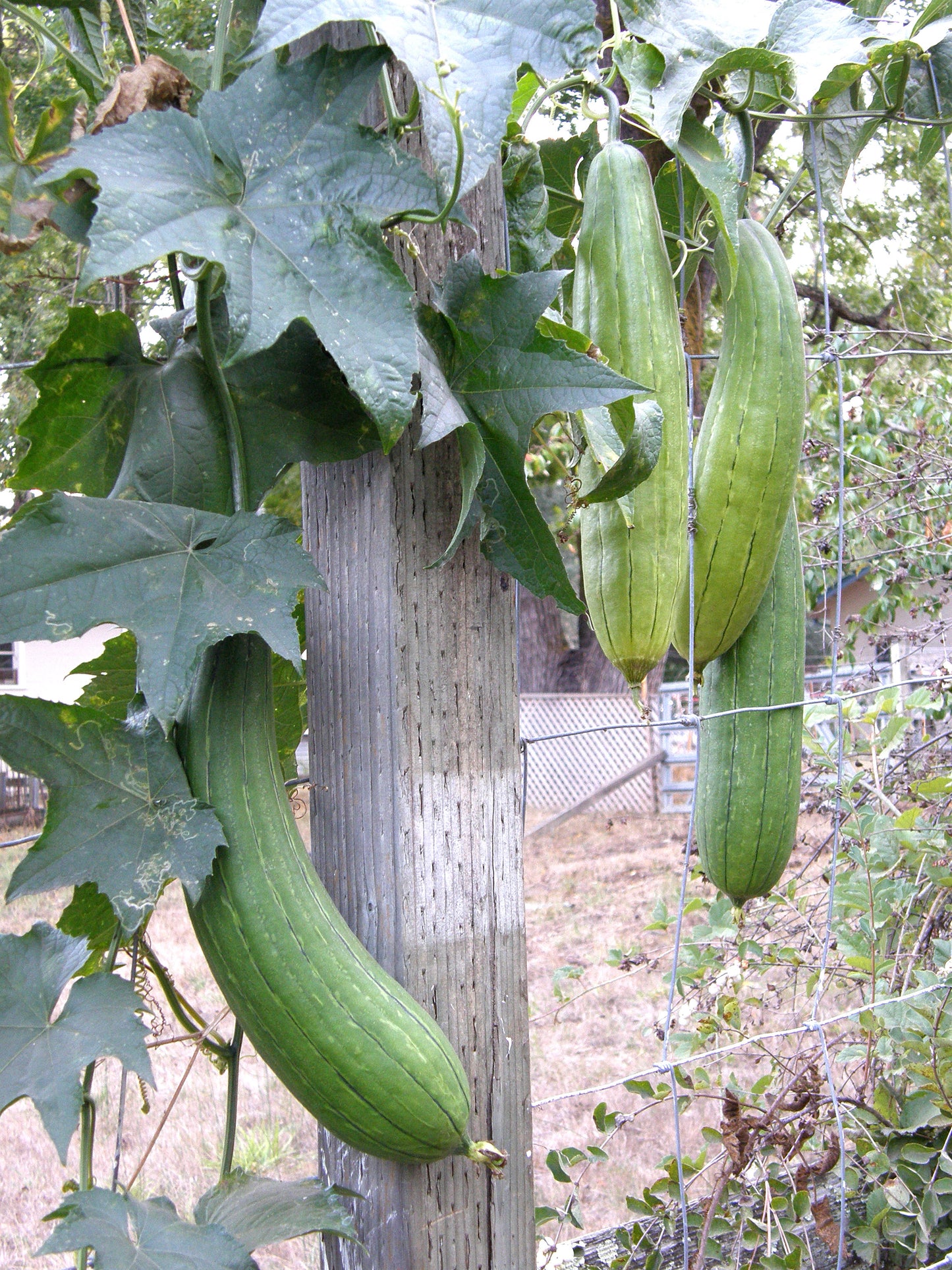
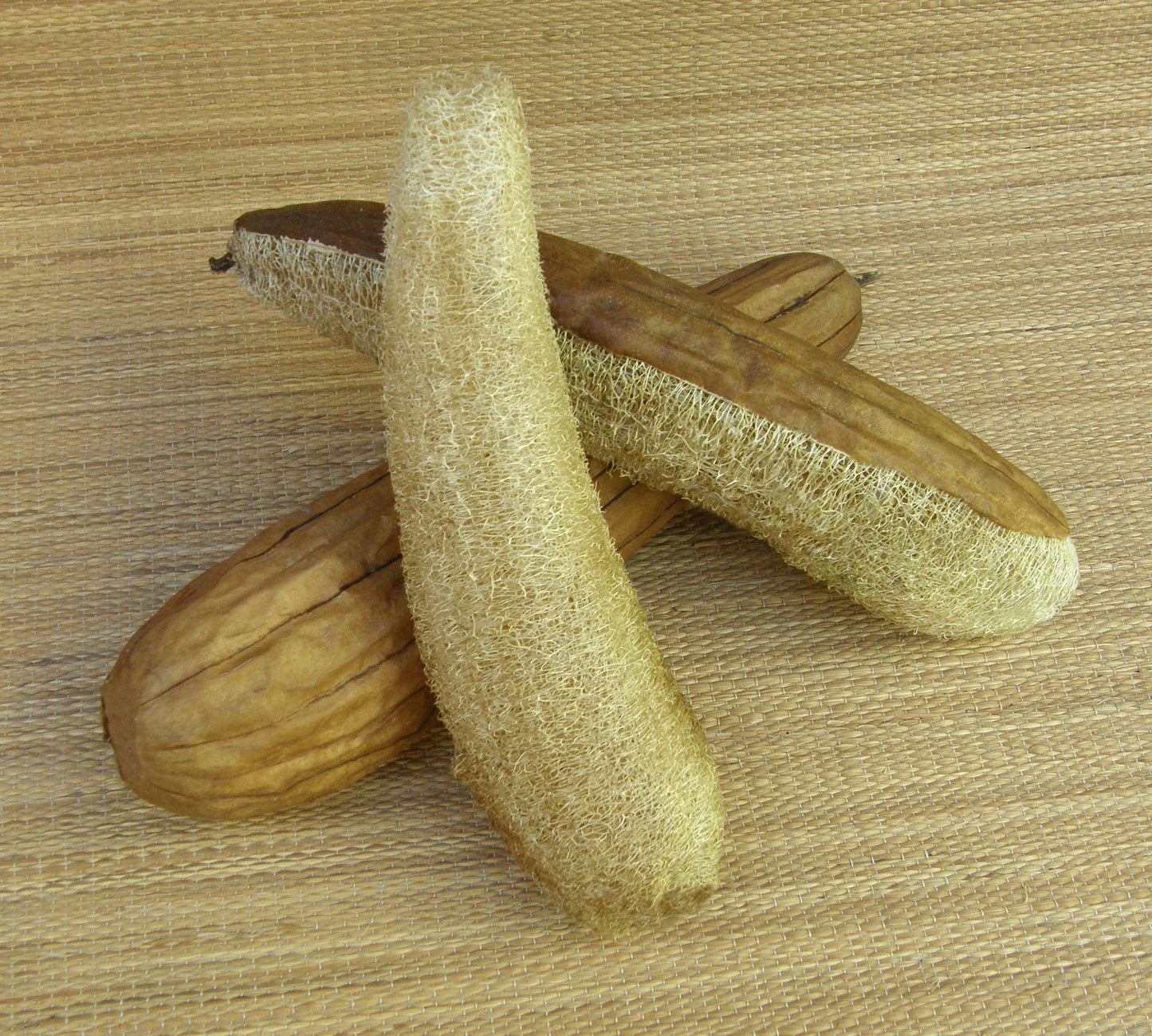
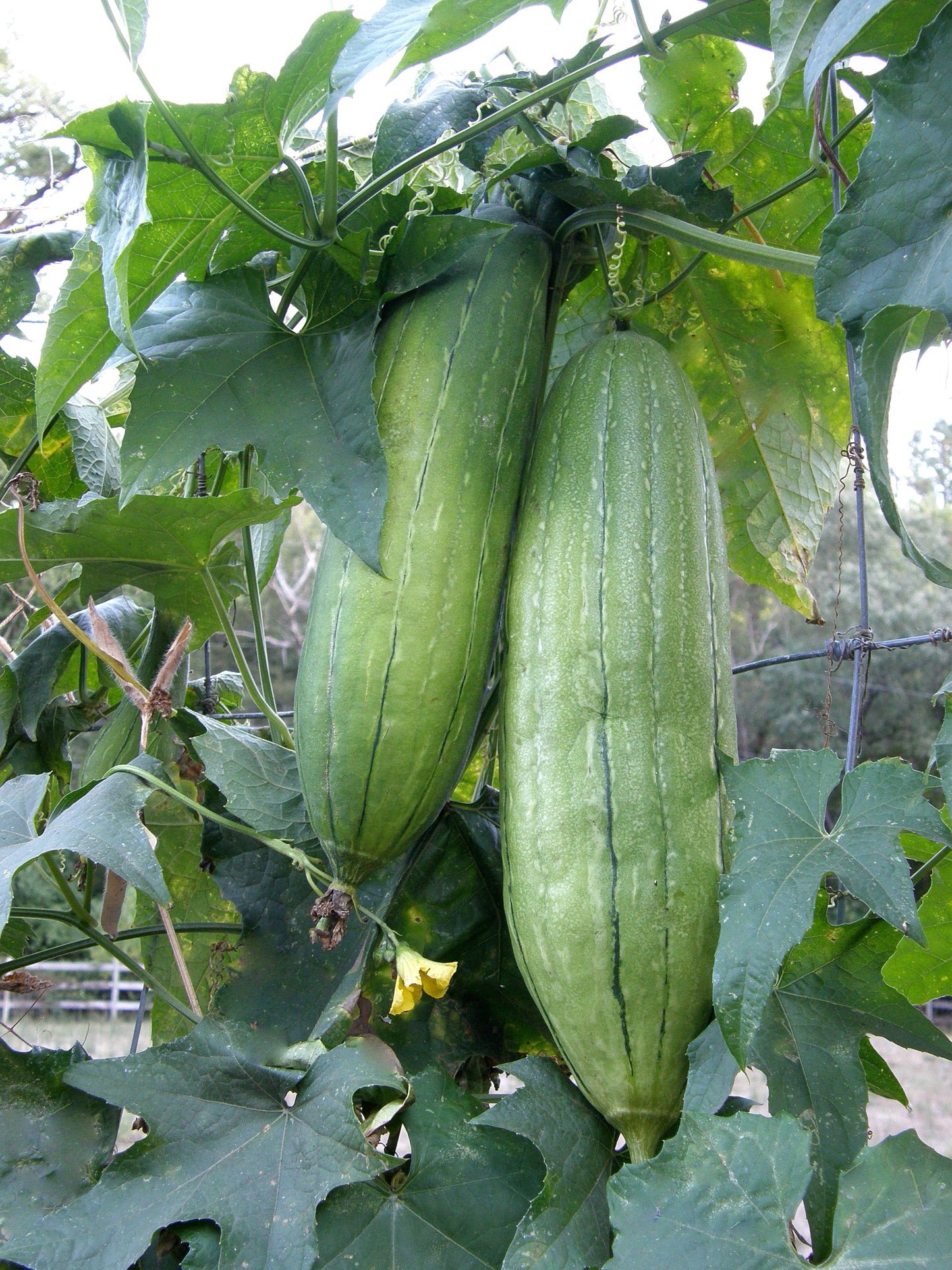
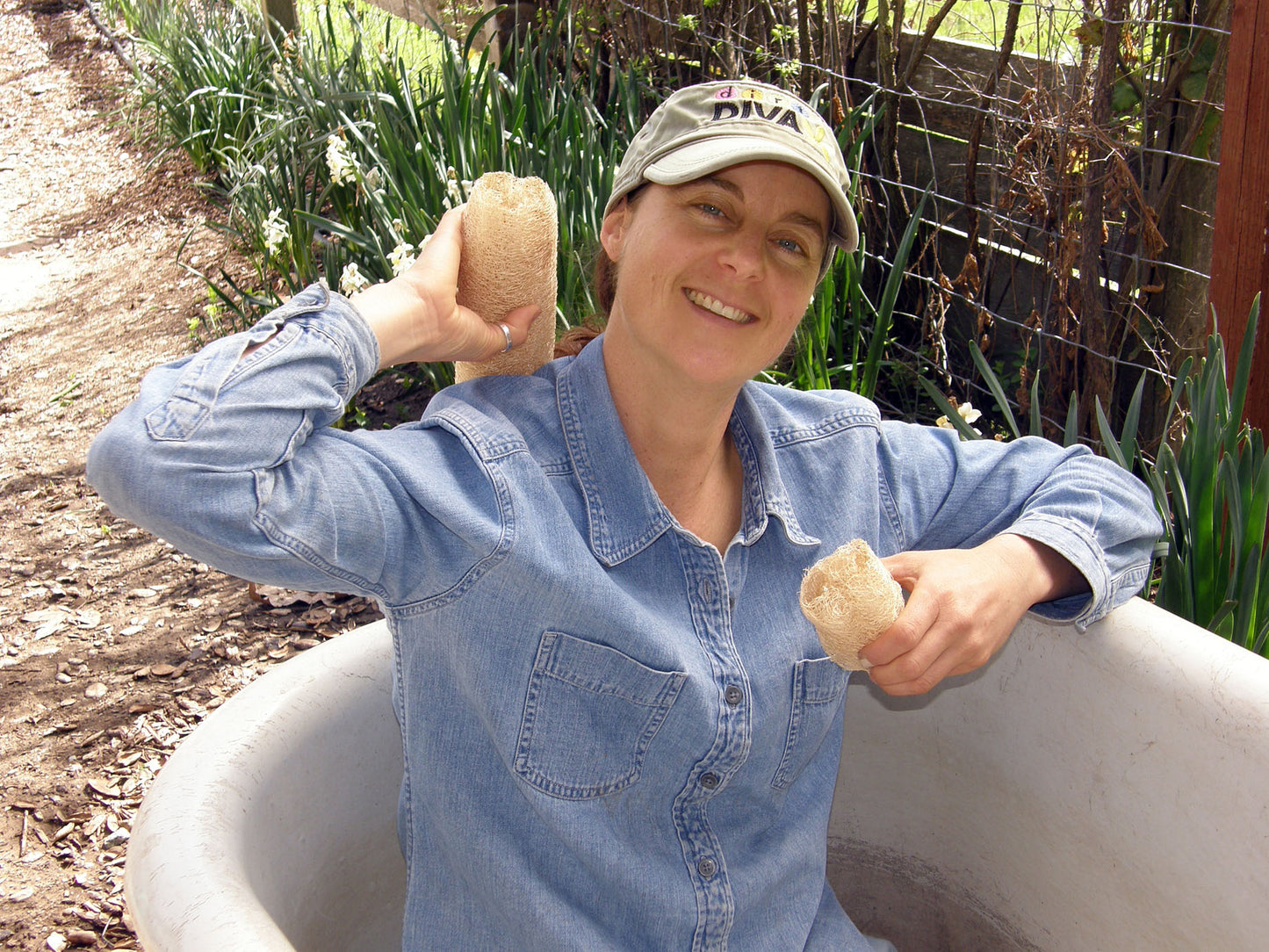
Loofahs are members of the gourd family, originally from China. These handsome trailing vines can be grown on a fence or trellis or allowed to ramble at garden edges. Growing loofahs look like wrinkly big cucumbers. At seasons end, when dry and mature, the rinds are simply peeled, revealing their sponge-like fibrous interior. Loofahs make marvelous skin scrubbers for stimulating circulation and improving skin tone in the bath or shower. Home grown Loofahs make wonderful holiday gifts!
Seed Count: Approx. 18 / Weight: 1.75 g
- SKU:5960
Couldn't load pickup availability
Special Features

Quick Info
April - June
Full sun
1 inch deep
12 inches apart
7 - 10 days
 GROWING INSTRUCTIONS
BEST TO START INDOORS
Several weeks before last spring frost, sow seeds 1 in. deep in individual pots of seed starting mix. Keep warm and moist and provide a strong light source. When seedlings are well established and nights stay above 55°F (13°C), acclimate to outdoors. Transplant at sunny garden edges to ramble, or 12 inches apart along a sturdy fence or trellis to climb and form a lush canopy.
START SEEDS OUTDOORS
Start seeds outdoors only after night temps stay above 55°F (13°C). In full sun, sow 2 or 3 seeds 1 inch deep in groups spaced 12 inches apart and 4 inches from vertical supports. Thin to 1 or 2 strongest seedlings per group.
GROWING NOTES
Loofahs need full sun, very rich, fertile soil and warm temperatures. For earliest and best yields, hand-pollinate gourds: pick a blooming male flower and dust pollen onto fresh female flowers (the ones with small fruits at the base). Repeat as new flowers appear. Pollinated fruits start growing larger within several days.
HARVEST AND USE
Harvest when loofahs are fully matured with brown and dry outer rinds, are very light for their size, and seeds rattle inside. Peel off the dark outer rind, exposing the fibrous honeycomb sponge-like interior. Cut open end to shake out seeds. Finish by soaking loofahs for an hour in a weak bleach solution (10:1) to whiten and brighten color. Rinse thoroughly and air dry. Use in everyday skincare as a natural sponge, skin, buffer and exfoliator.
 GARDENING 101

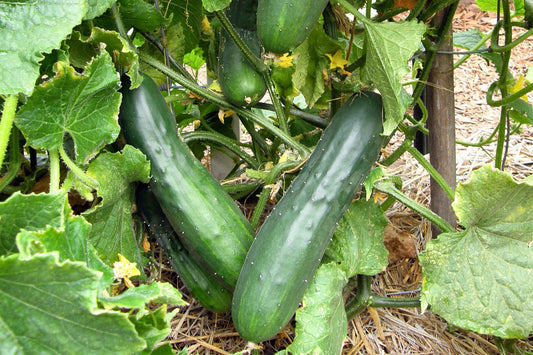
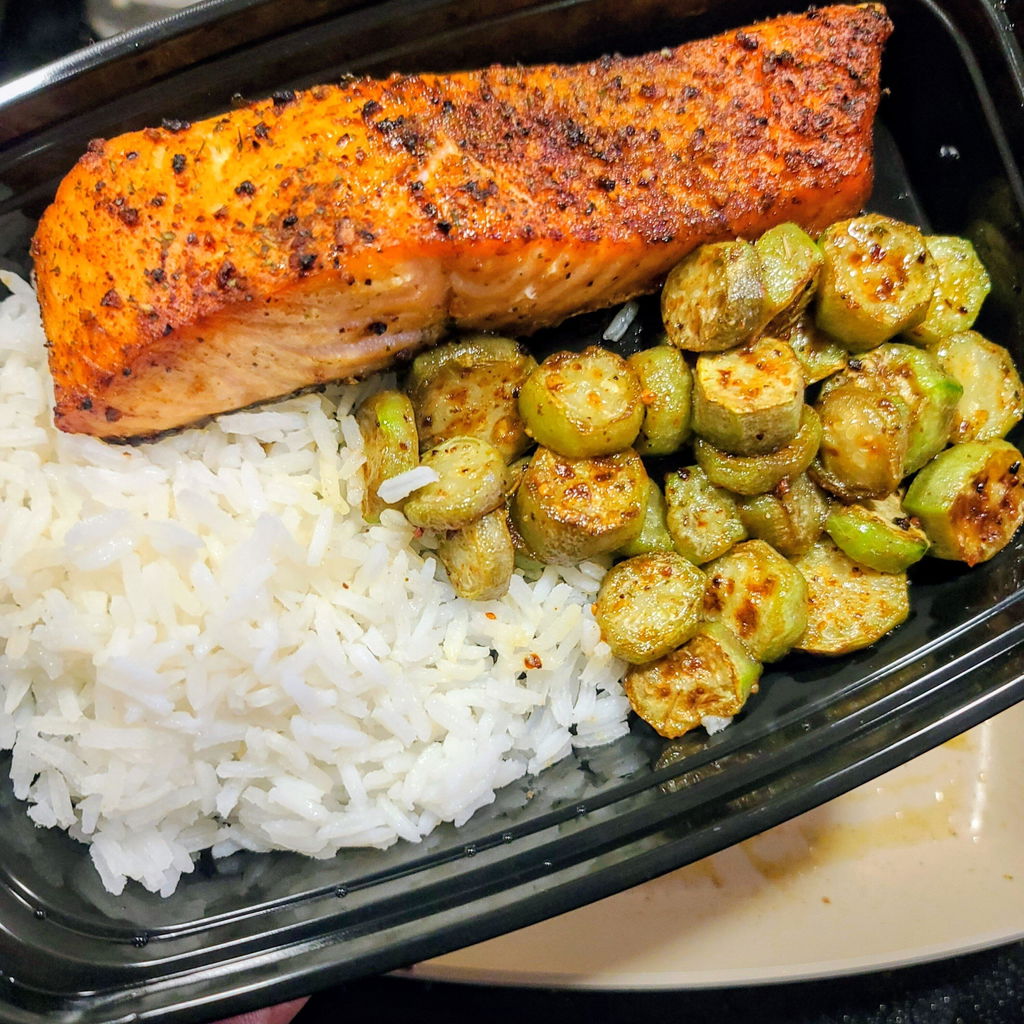
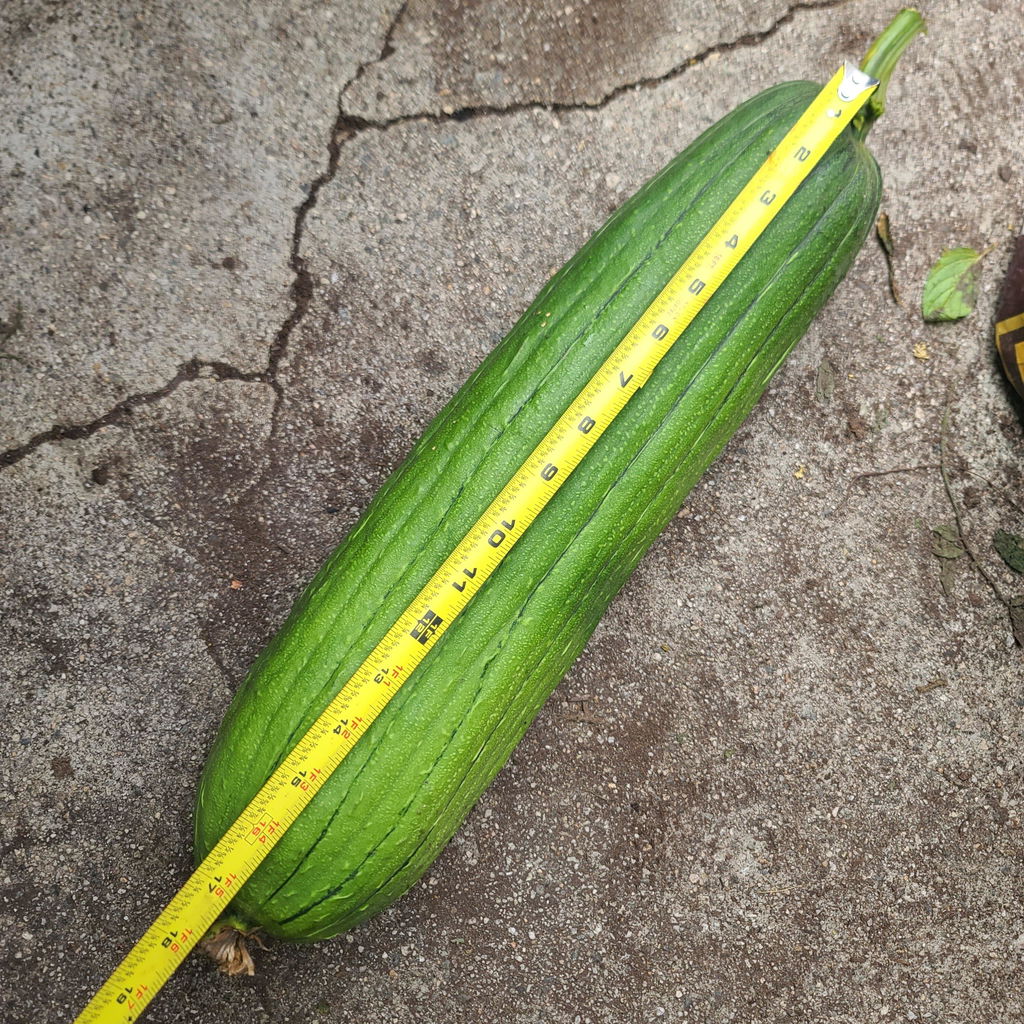
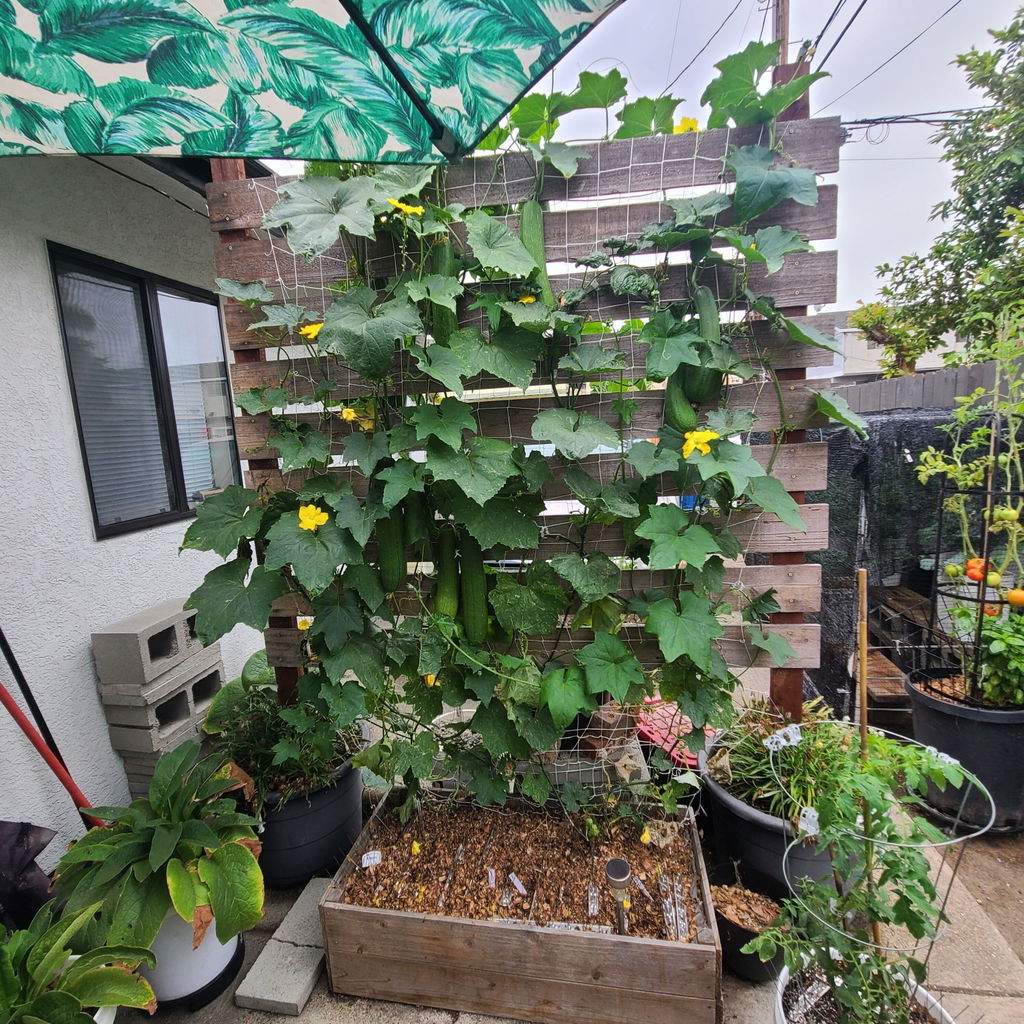
I grew these in zone 10b on a makeshift fence with a trellis net on it in my driveway. I grew these in a small raised bed on cement! The plants grew 10-12 feet before I stopped them. I planted them in April and harvested them at the end of August. The luffa were huge! The longest one was almost 18 inches long! I also got tons of seeds that I will store. I ate a couple of young luffas as well. Raw, they tasted like a cucumber/zucchini mix. Cooked, they had a broccoli taste with a very soft texture. Delicious! I also peeled the yellowing and the green luffa. The yellow luffa contained black seeds. The green luffa contained white seeds, which I assume are not viable. This was such a great learning experience as a first-timer growing luffa. Get them!
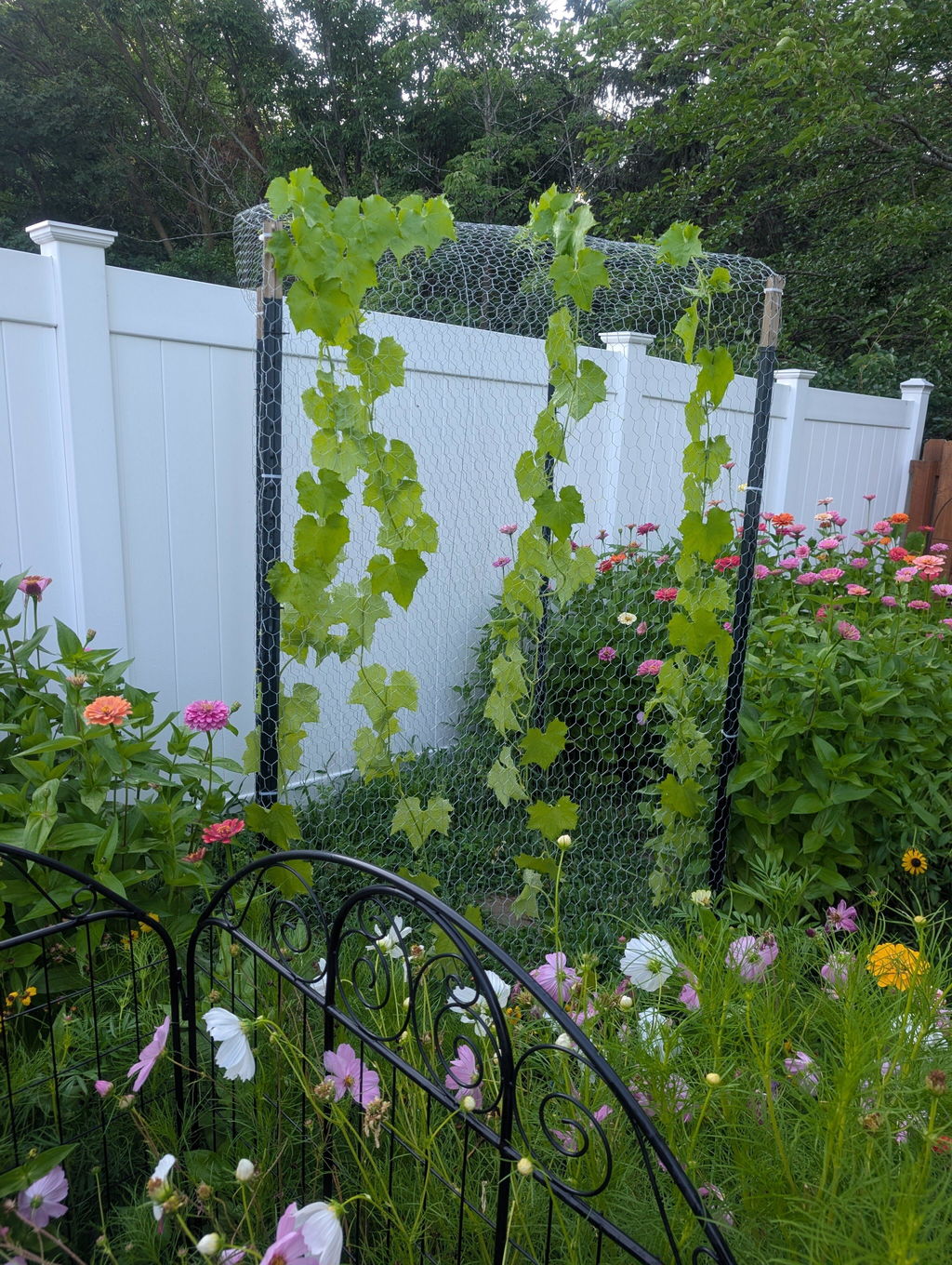
This is my second year growing and I think I'll be a life long loofah grower! I am in 6a so I like to start inside and wean outside. I get a 100% germination rate but I tend to lose a few when it's time to acclimate so I over plant. Got them in a bit late this year so I'm really hoping for fruit that matures. 6a doesn't quite have a long enough grow season to dry on the vine but baking them dries them up really nice to be peeled. The loofahs last year came out perfect and are a nice gently bath scrub. Bees and ants love these and I've hand pollinated a few flowers but tend to let the pollinators do the rest and seems most flowers then to fruit
You won't ever need to buy synthetic sponges again. You can use these to wash dishes, clean the house and bathe. They are easy to grow. I've never had trouble with deer bothering them. And they produce prolific seeds, so you won't need to buy seeds again. Oh, and they make great homegrown gifts.
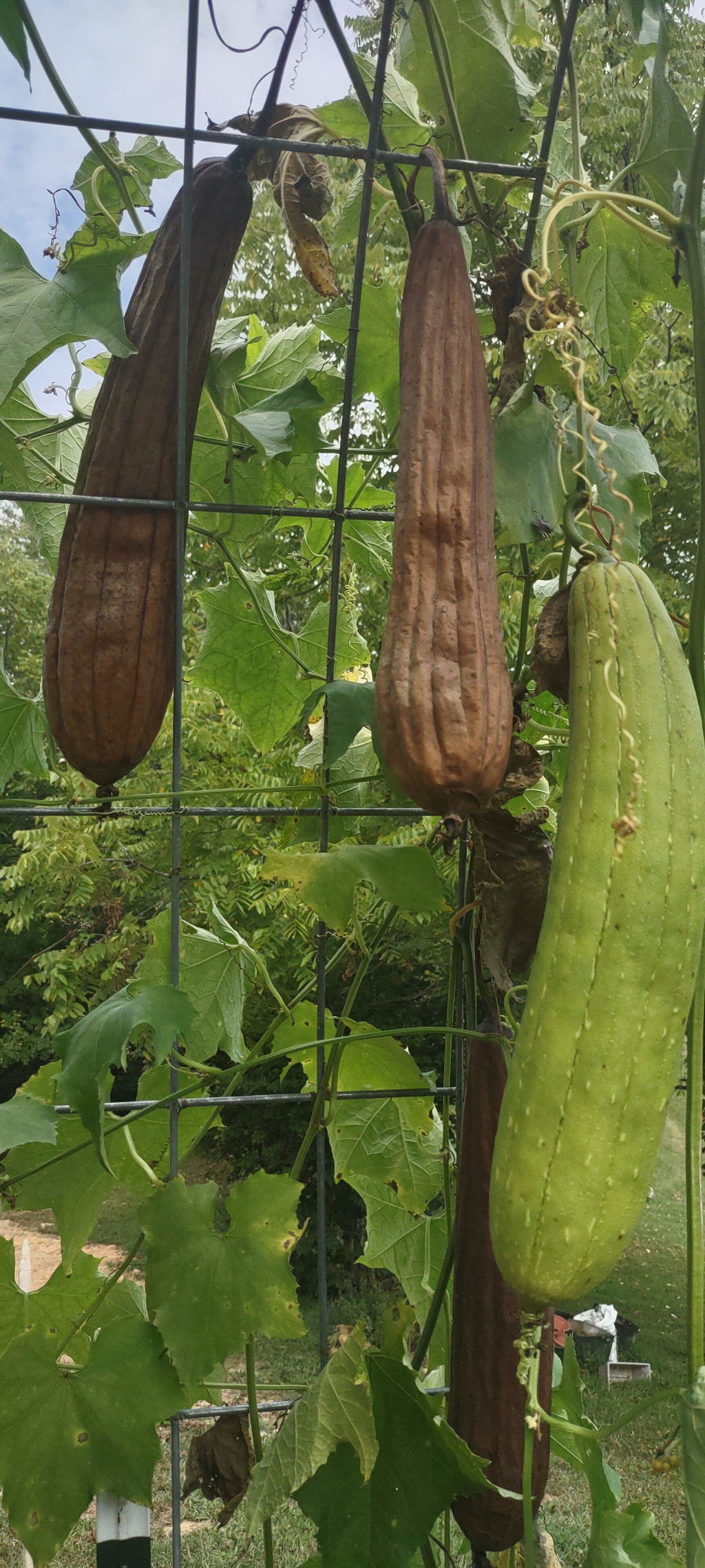
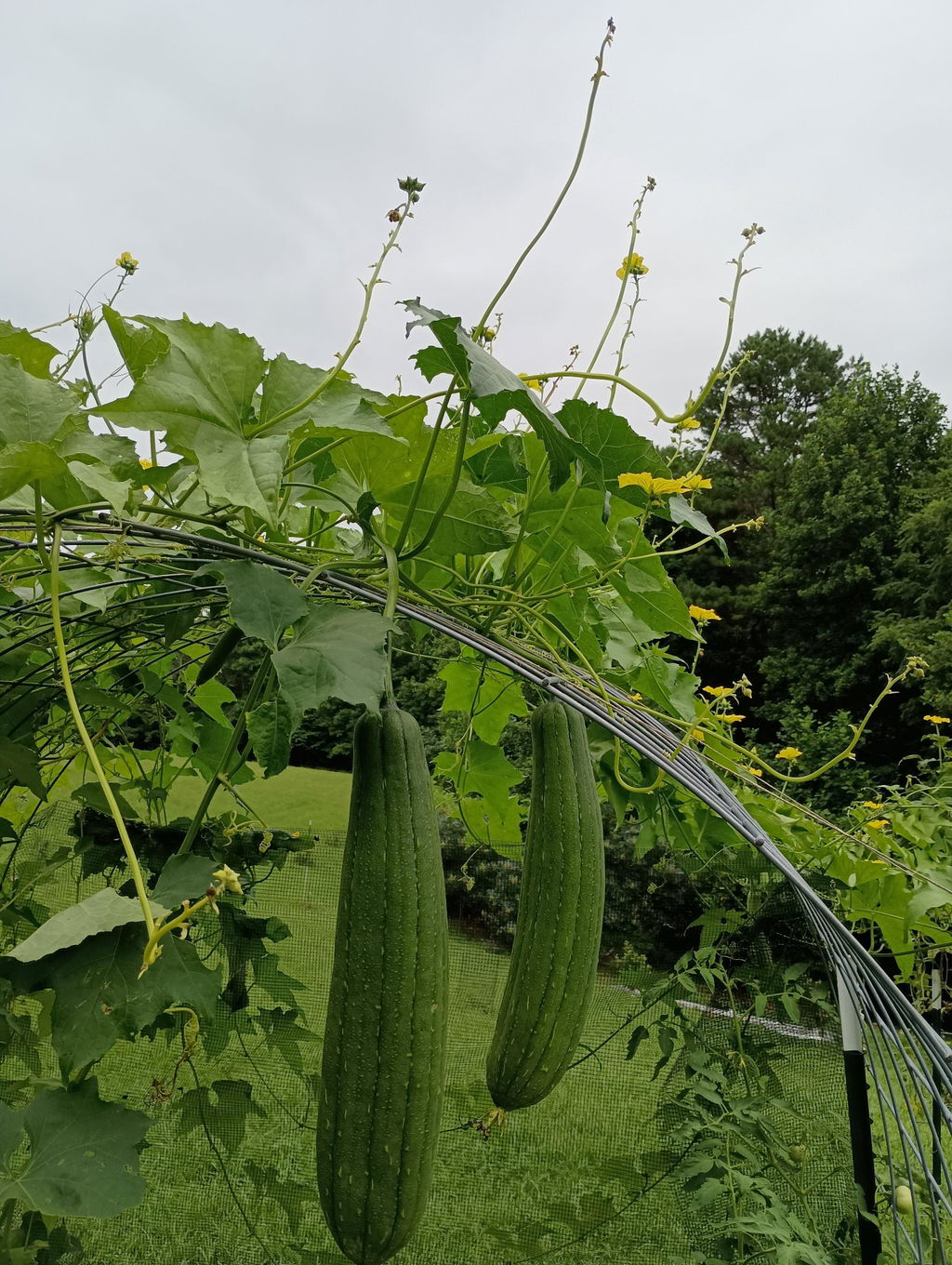
Everything is as it says! Can't wait to plant these!