Quick Info
Cold Winters: April-May Mild Winters: March-May
Full sun or partial shade
1 to 2 inches apart cover thinly
12 – 21 days
120-160 days
Stalk Celery
Merlin
Merlin
Quick Info
Cold Winters: April-May Mild Winters: March-May
Full sun or partial shade
1 to 2 inches apart cover thinly
12 – 21 days
120-160 days
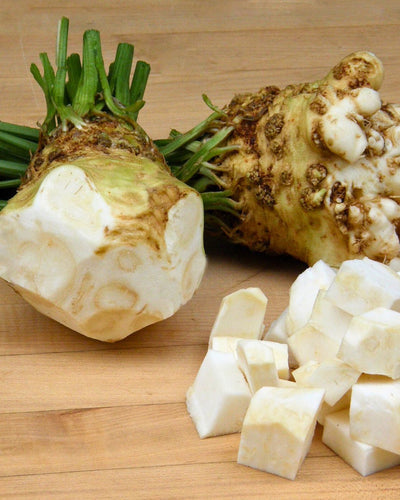
Merlin is a wonderful European variety developed especially for home gardens. These early producing, vigorous plants reliably yield tall 12 inch tender stalks. Enjoy Merlin right from the garden as an easy, cooling treat, and harvest the juicy stalks for fresh salads or crunchy sweet snacks. Add them to soups, stews and many other dishes. Air dry the leaves to use in winter cooking. Celery is an excellent source of vitamin K as well as folate and potassium.
Seed Count: Approx. 778 / Weight: 350 mg
- SKU:5517
Couldn't load pickup availability
Quick Info
Cold Winters: April-May Mild Winters: March-May
Full sun or partial shade
1 to 2 inches apart cover thinly
12 – 21 days
120-160 days


 GROWING INSTRUCTIONS

TO PLANT DIRECTLY OUTDOORS
Start celery in spring, when temperatures are above 50°F (10°C) day and night. Plant in full sun or, in hot summer areas, where there is afternoon shade. Celery is a heavy feeder; amend soil well with a high nitrogen fertilizer before planting. Sow seeds thinly, about 1-2 inches apart and cover very lightly. Be patient and keep seedbed evenly moist while awaiting germination which is slow and uneven. When seedlings are 3 inches tall, thin to 8 inches apart to grow to maturity.
TO START EARLY INDOORS
Start in early spring, 8-10 weeks before night temperatures are evenly above 50°F (10°C). Sow seeds thinly in containers of seed starting mix. Cover very lightly. Keep evenly moist; germination is uneven and takes up to 21 days. Keep seedlings at 70°F (21°C) range, providing a strong light source. Feed every 7-10 days with half strength liquid fertilizer like fish emulsion solution. When seedlings are well-established, plant in the garden 8 inches apart, so plants have room to grow and mature.
GROWING NOTES
For growing success and optimum flavor and yield, growing celery plants must be kept consistently moist and well fed. Check often and water regularly; a thick mulch of compost helps maintain moisture. Fertilize every few weeks with a high nitrogen fertilizer or fish emulsion solution. Harvest outside stalks at maturity as needed or cut whole plant.
 GARDENING 101

Articles & Blogs
No related articles found for this product yet.
Recipes
I hate to say it, but these were a bit of a dud for me. I think I may have contributed to my own ride on the struggle bus though. I'm in Washington zone 8b. I started these indoors in February and March. They were pretty sparse to germinate. I transplanted them outside in early May. For the rest of the season, it was a battle to keep the aphids away (not the fault of the seeds of course). I kept waiting for the stalks to get taller or wider but the plants never got taller than 6-8 inches (they're in the front rows of the bed in my photo). Finally, in late August, I gave up and pulled them. The taste was good, but they were so fibrous and stringy that they were pretty much inedible. From what I've read, I think I planted them out too late, so they couldn't develop enough before the heat hit (we had an early heat wave in June) and I didn't blanch the stalks. I'll give these another try this year and try to plant them out earlier and use blanching methods.
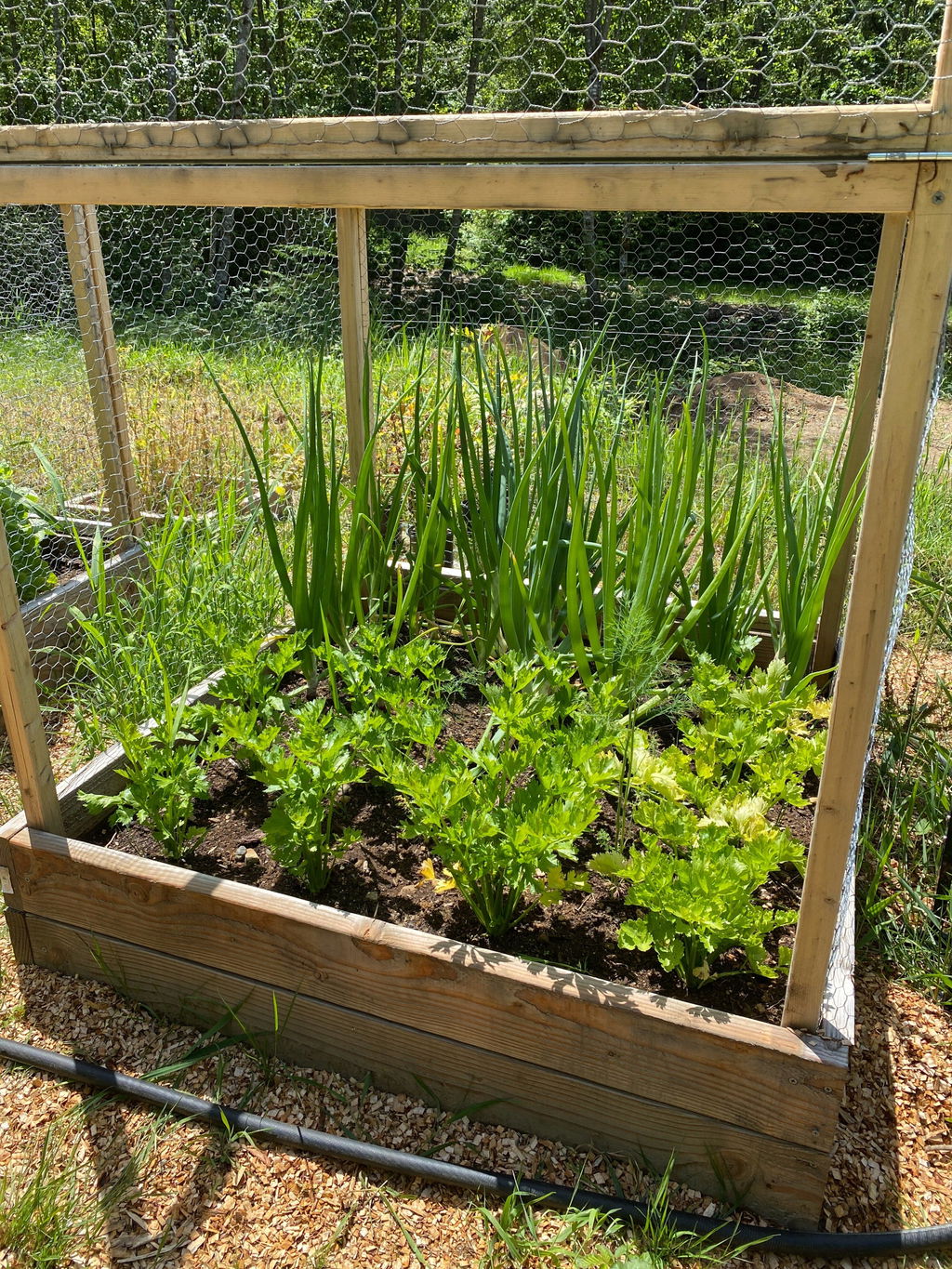
Three years ago, I planted six plants inside in February and grew them with a grow-light until mid-April (when we get our first tease of spring here in the Northwest - Zone 8a). I planted them in a raised bed and they grew incredibly well. I had beautiful stalks of celery. I didn't have any problems with aphids like Gabie (below) did but again that was three years ago. I plan to start more celery this winter for next spring. Merlin celery is going to be my celery seeds of choice from now on.