Quick Info
PLANT IN
March - June
SUN/SHADE
Full sun
PLANTING DEPTH
1/4 inch
SPACE SEEDS
2 - 4 inches
DAYS TO GERMINATE
14 - 21 days
MATURE HEIGHT
18 - 24 inches
Butterfly Asclepias
Orange Milkweed
Orange Milkweed
(Asclepias tuberosa)
Quick Info
PLANT IN
March - June
SUN/SHADE
Full sun
PLANTING DEPTH
1/4 inch
SPACE SEEDS
2 - 4 inches
DAYS TO GERMINATE
14 - 21 days
MATURE HEIGHT
18 - 24 inches
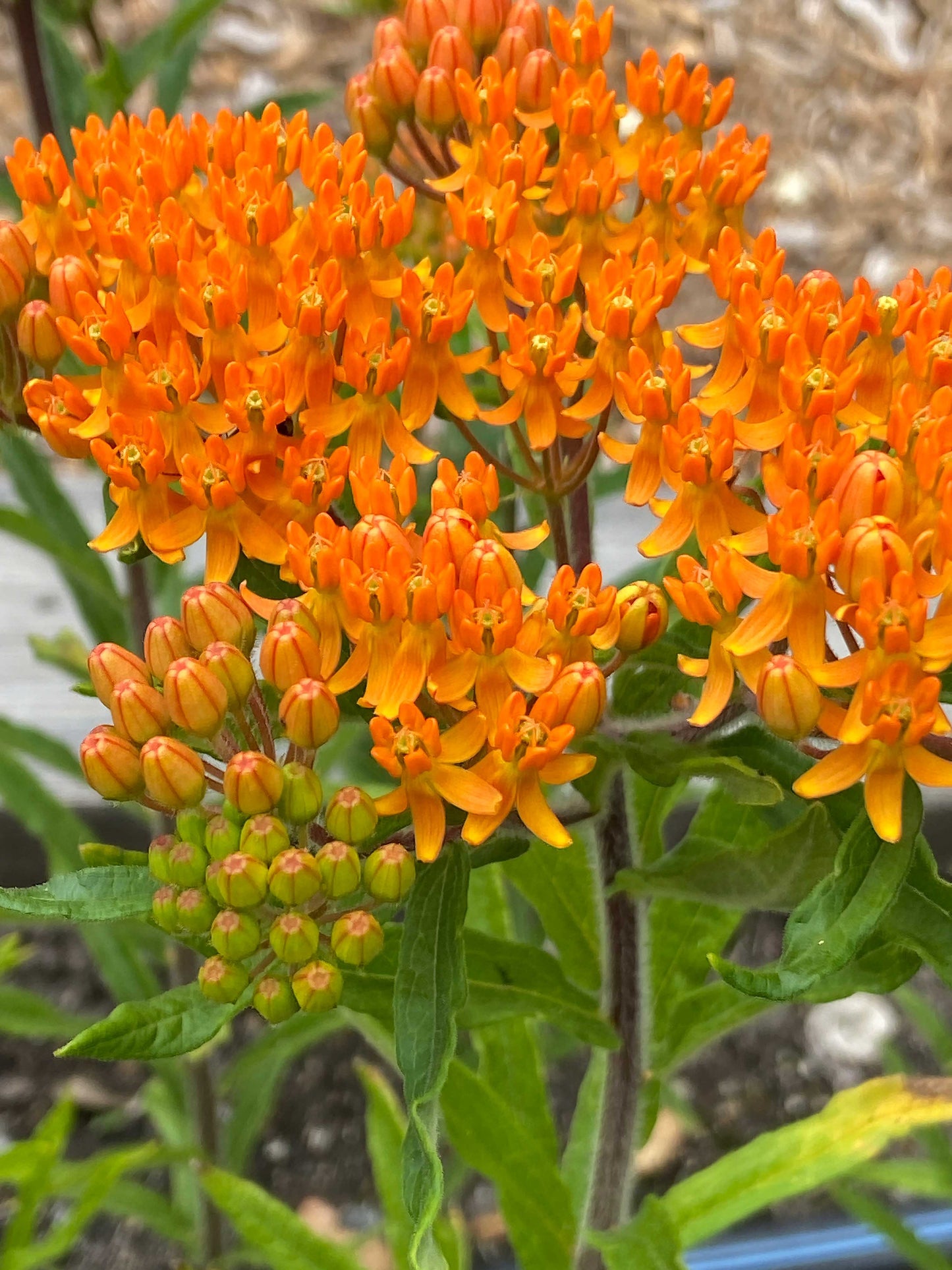
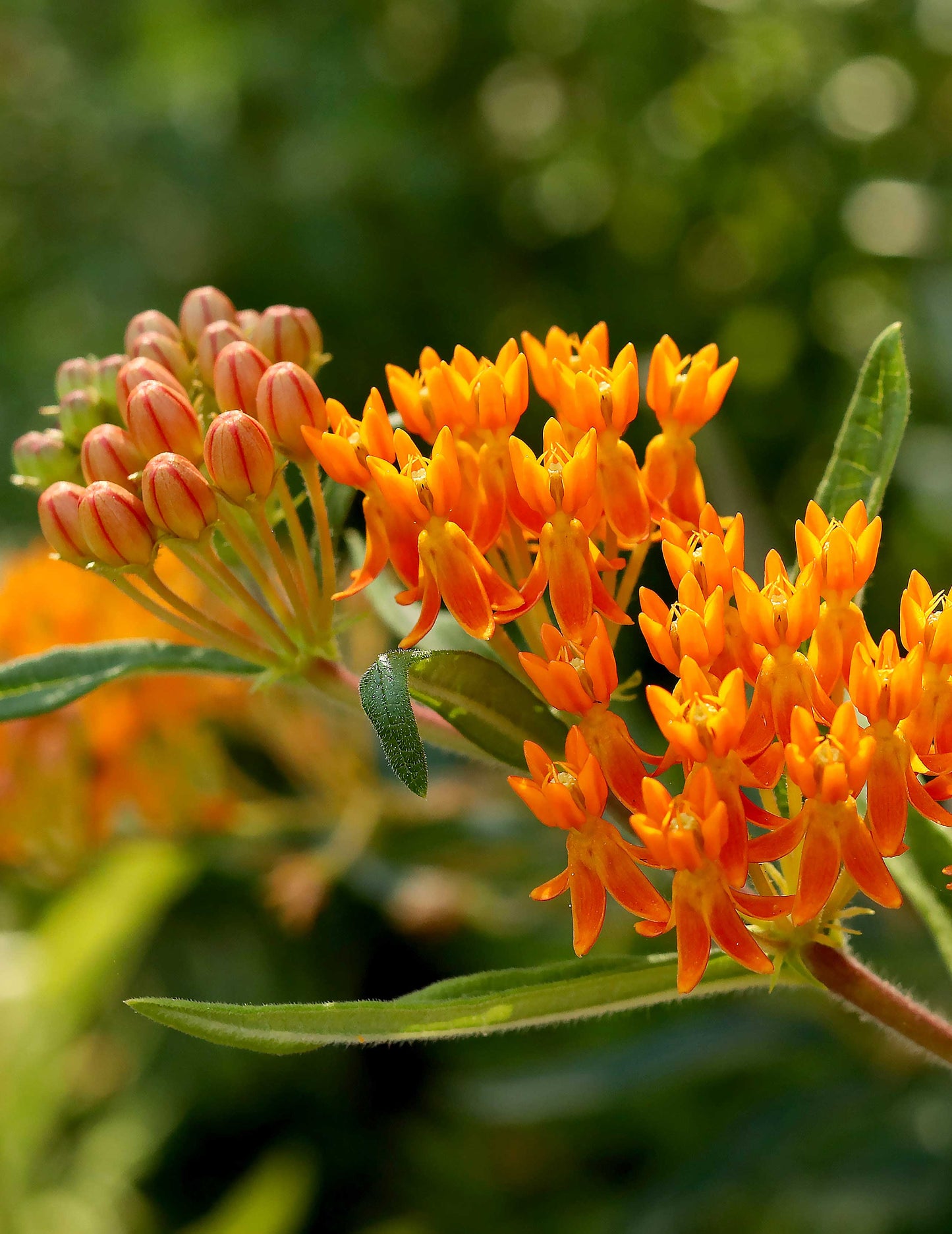
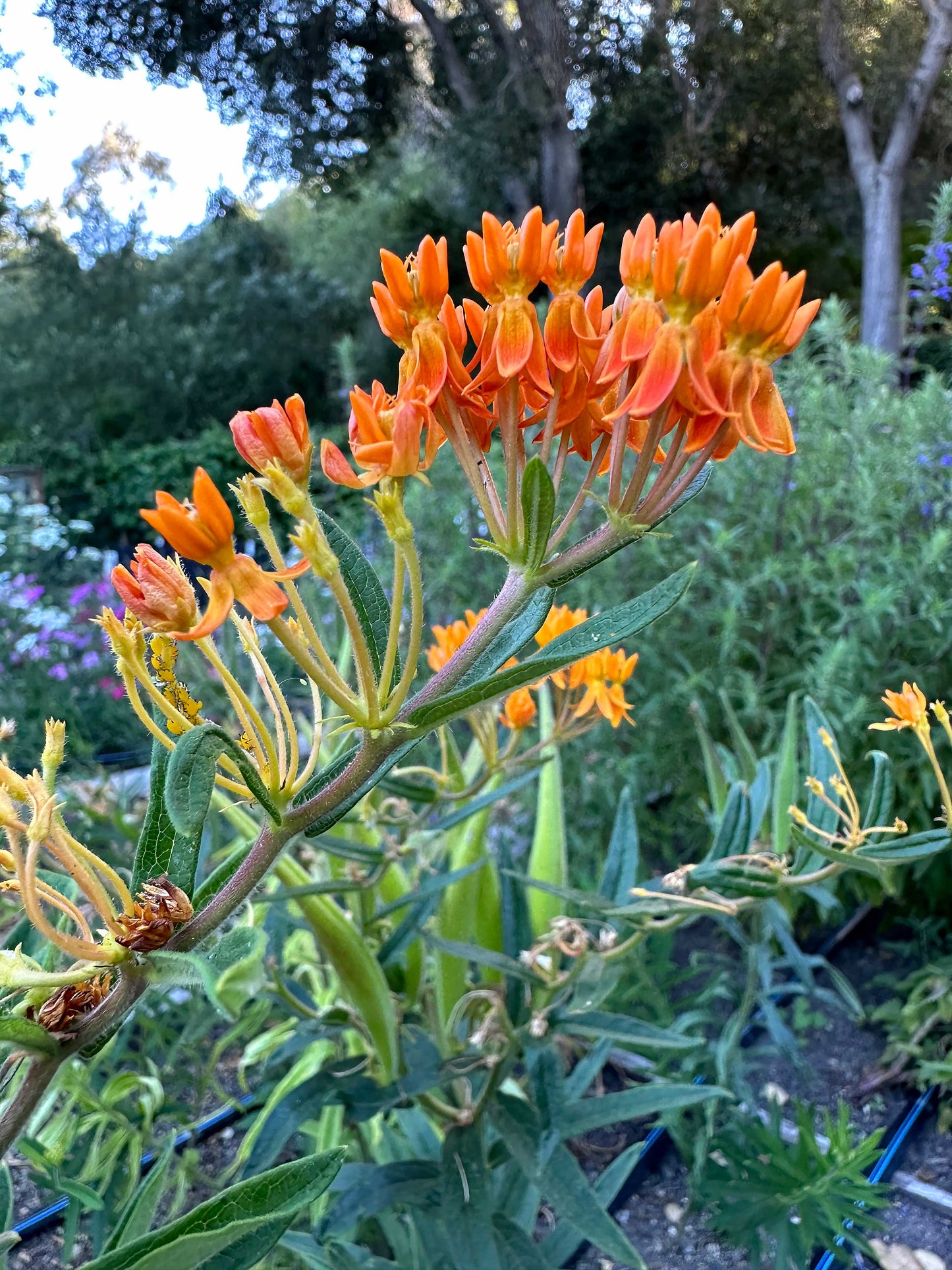
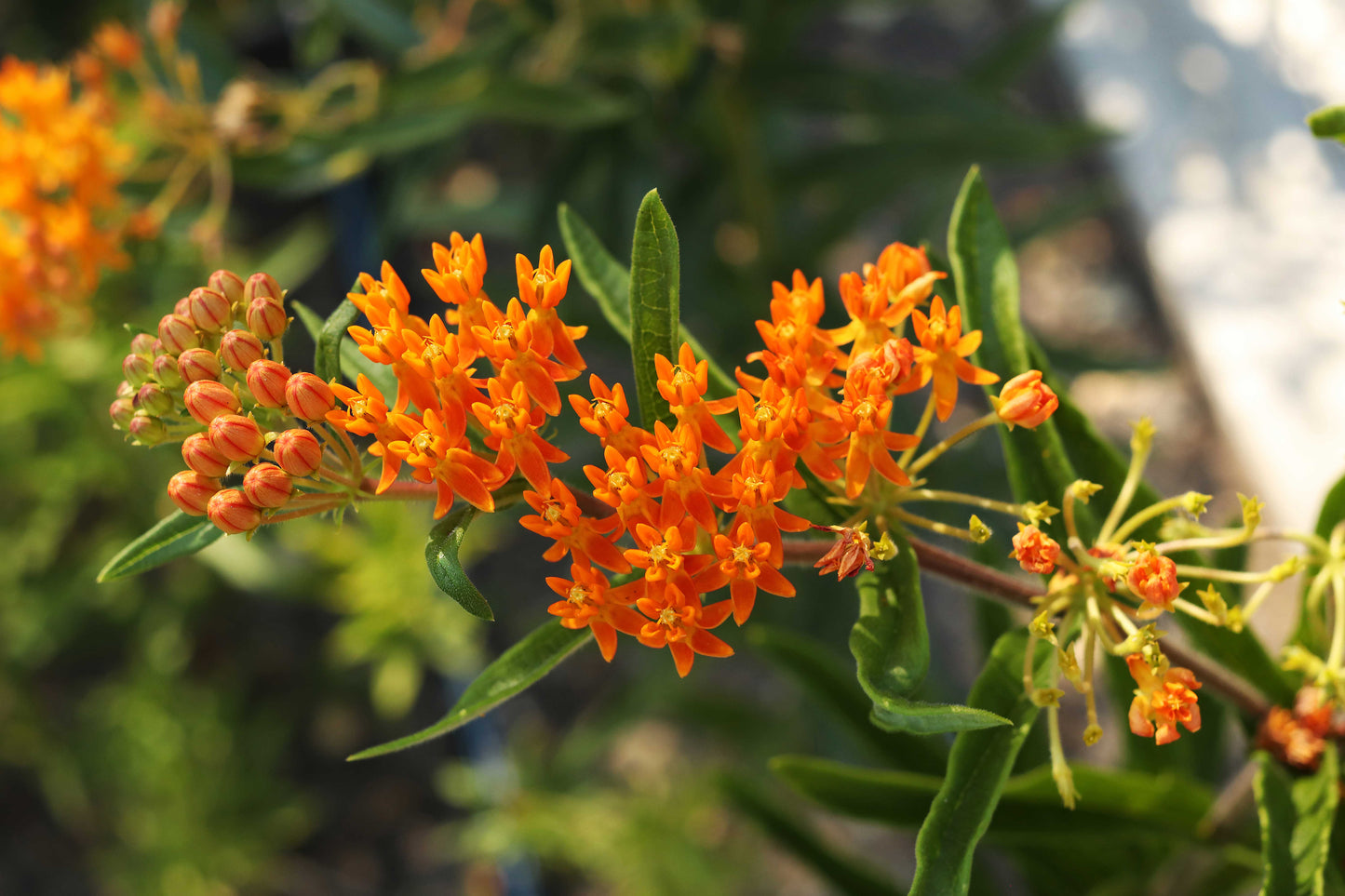
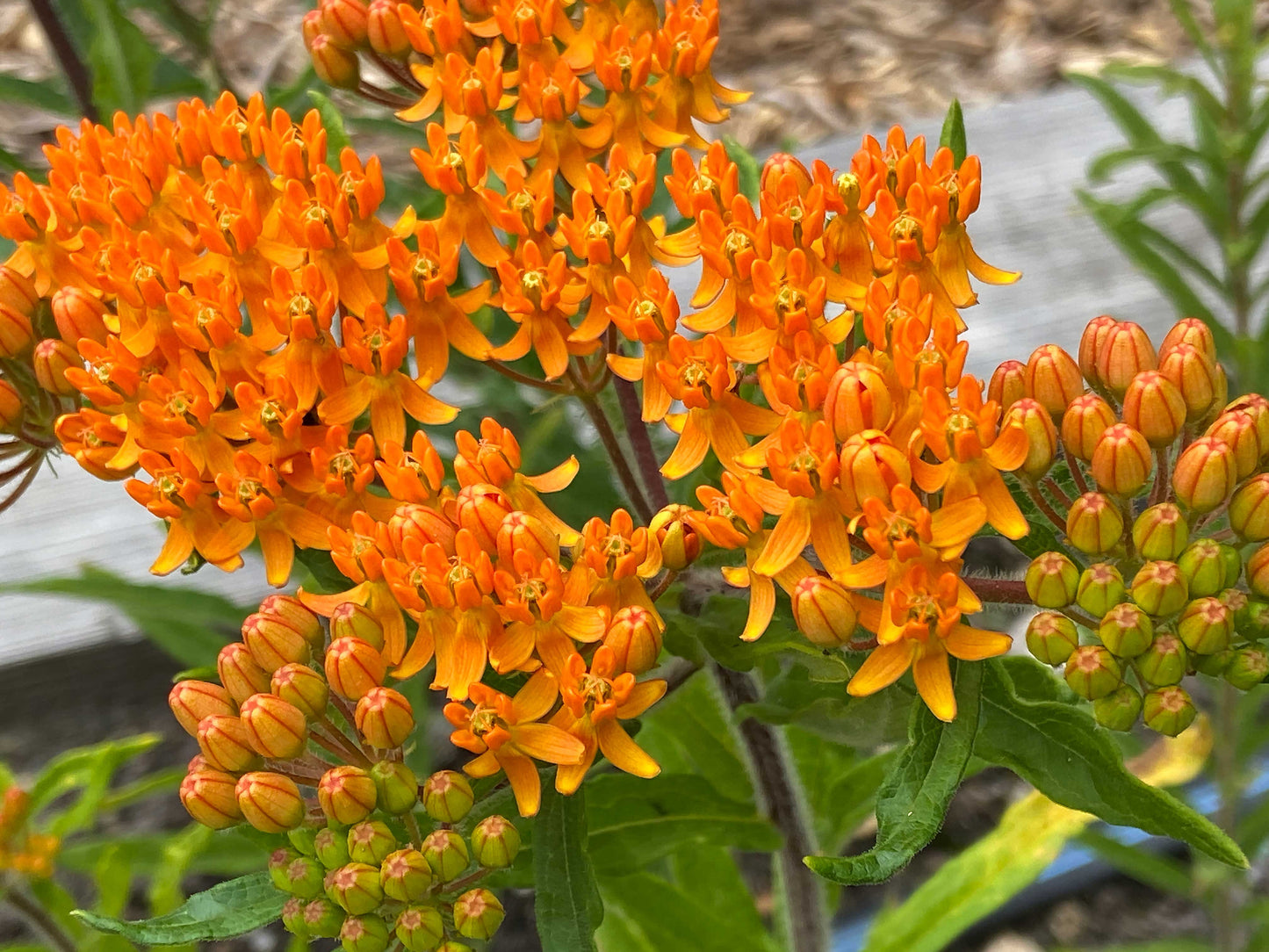
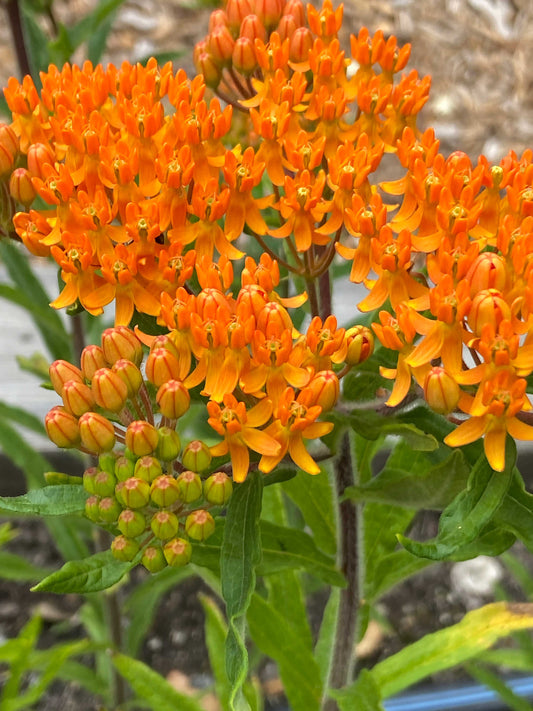
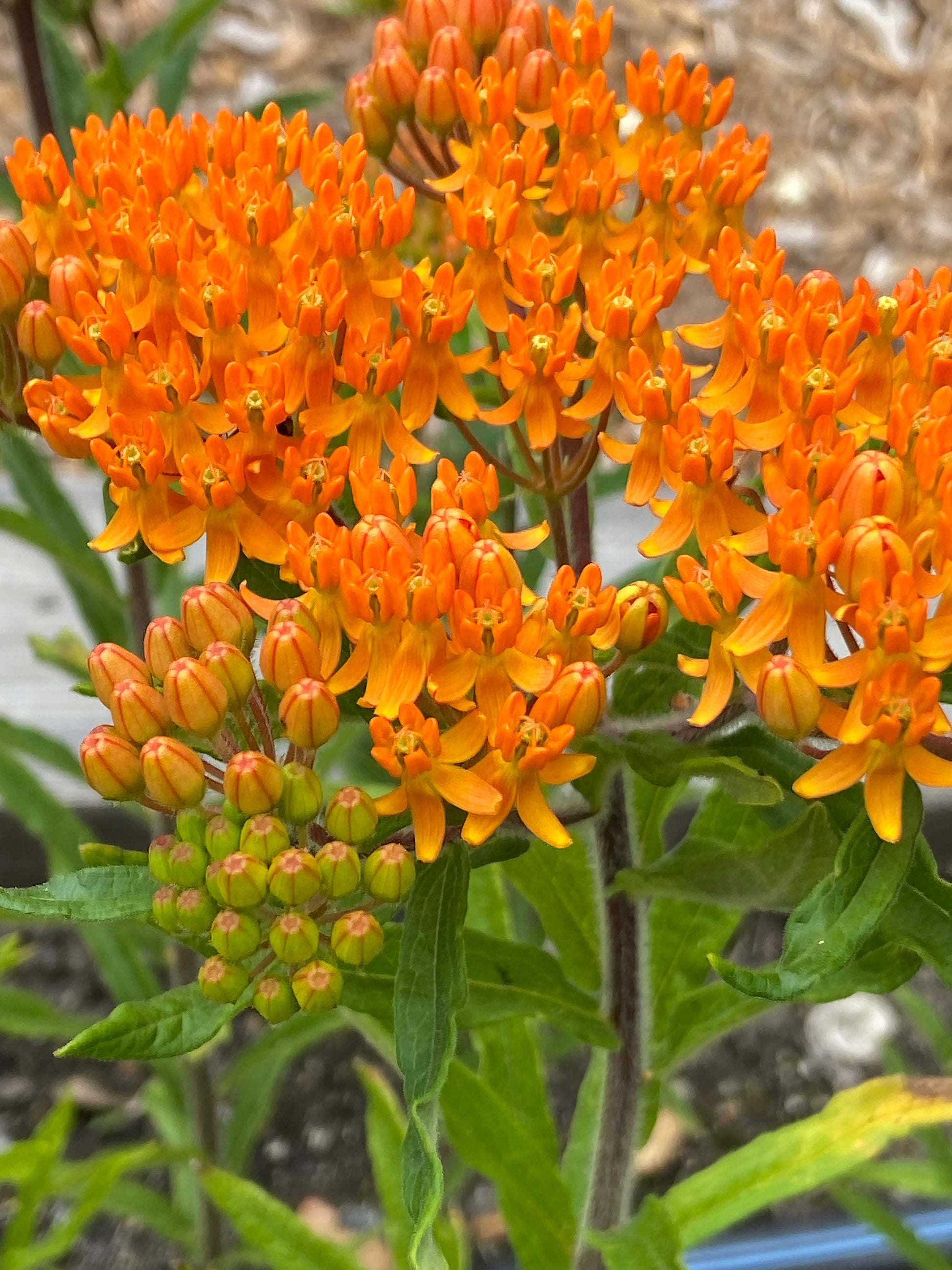
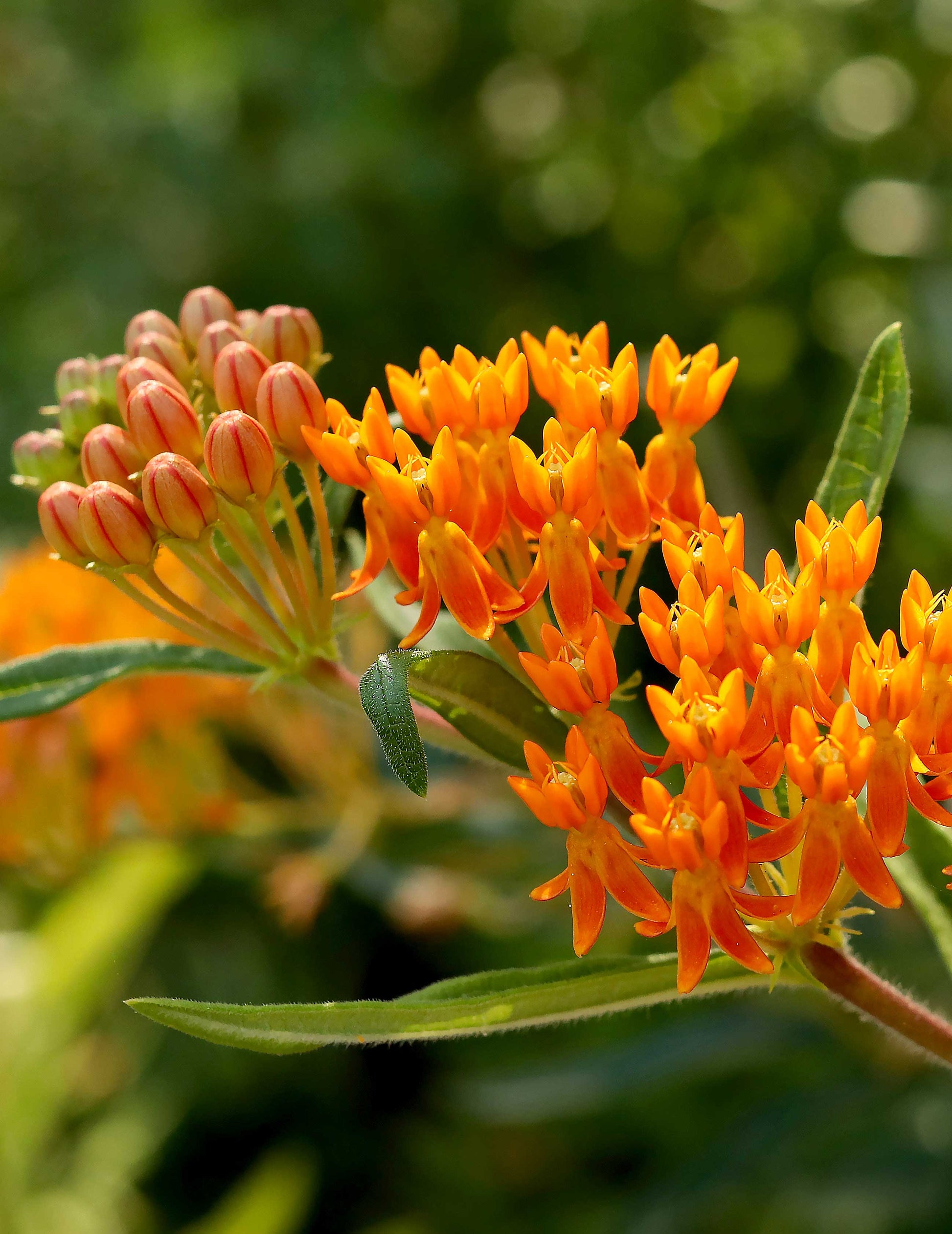
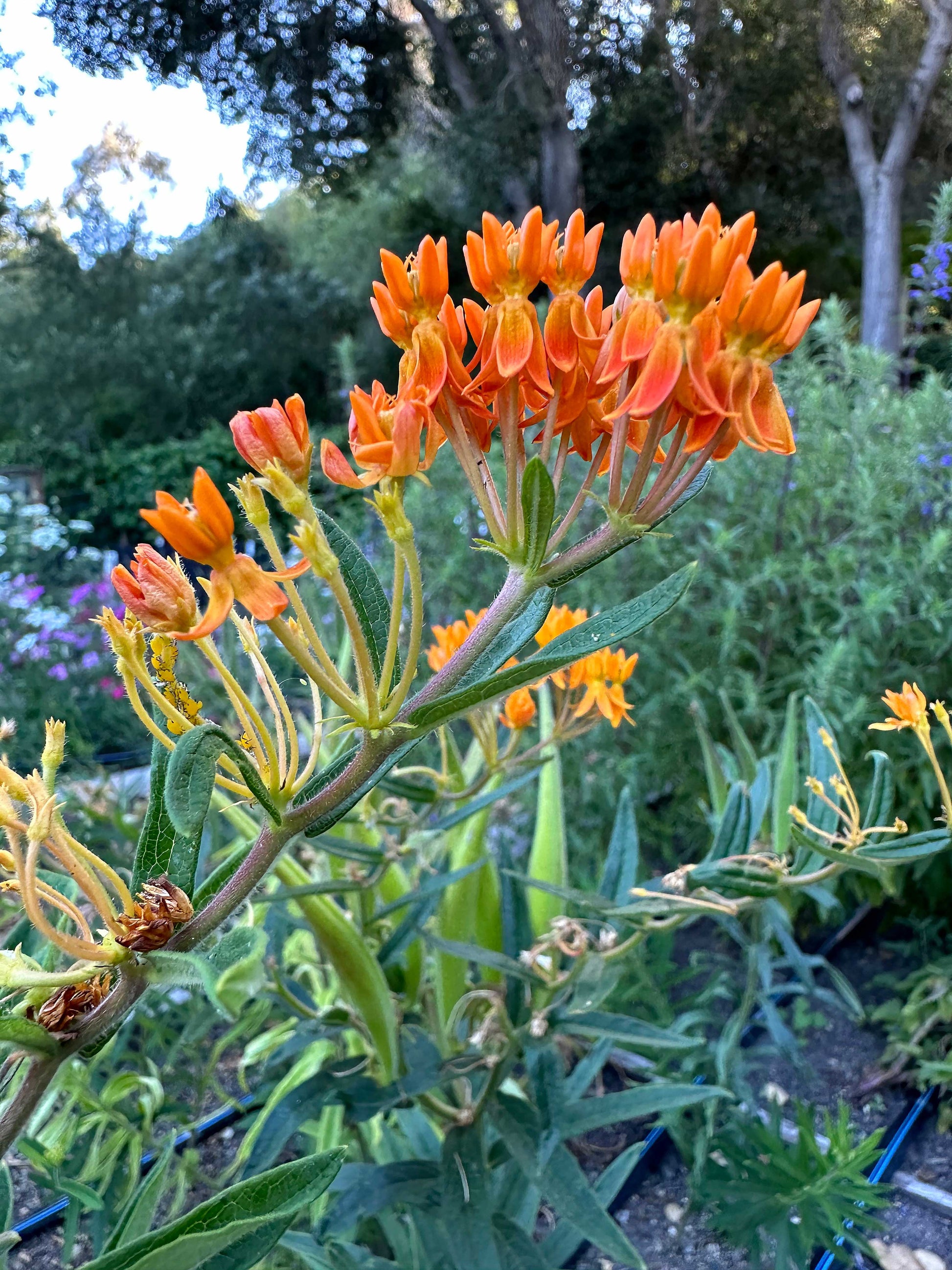
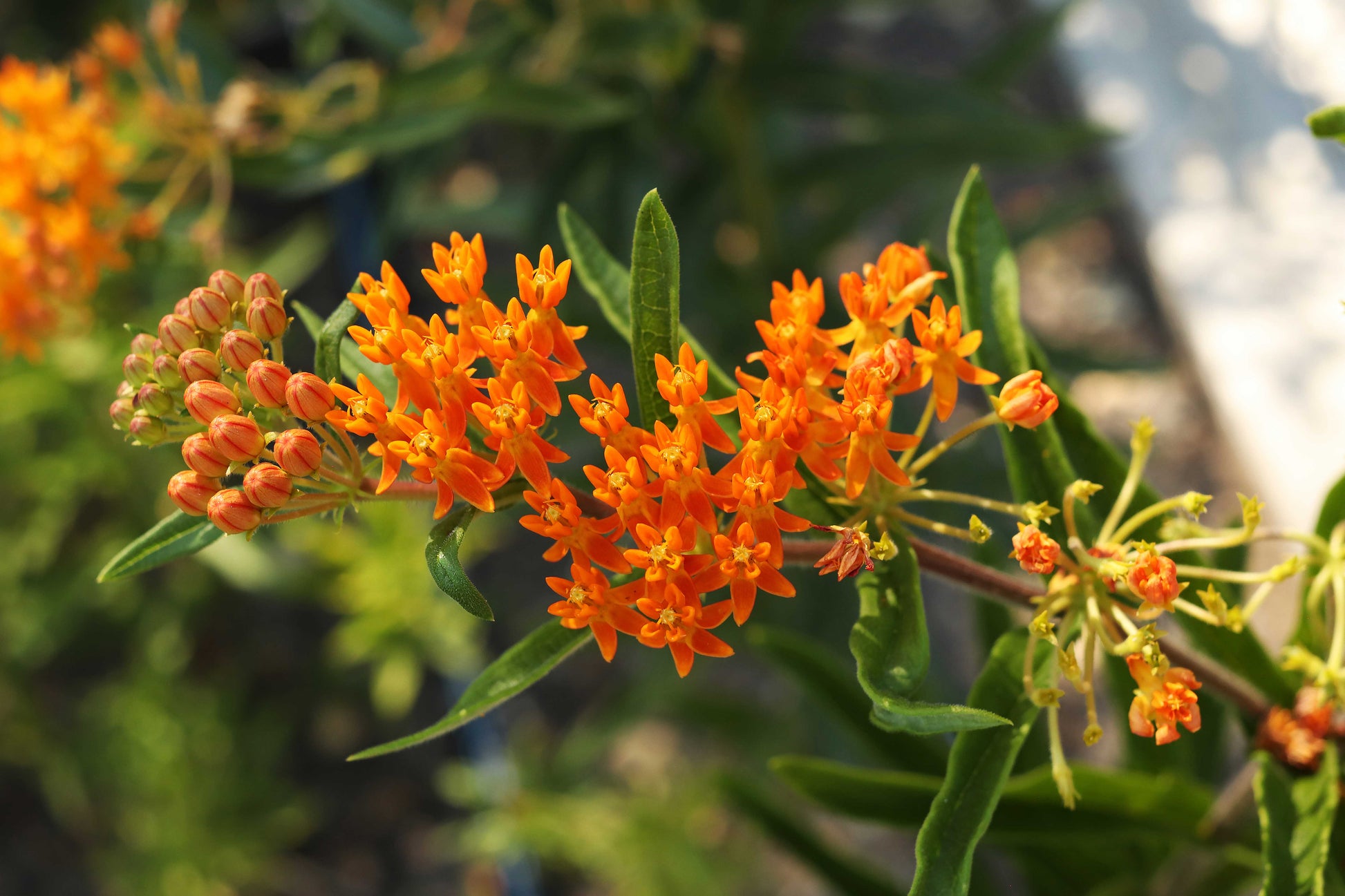
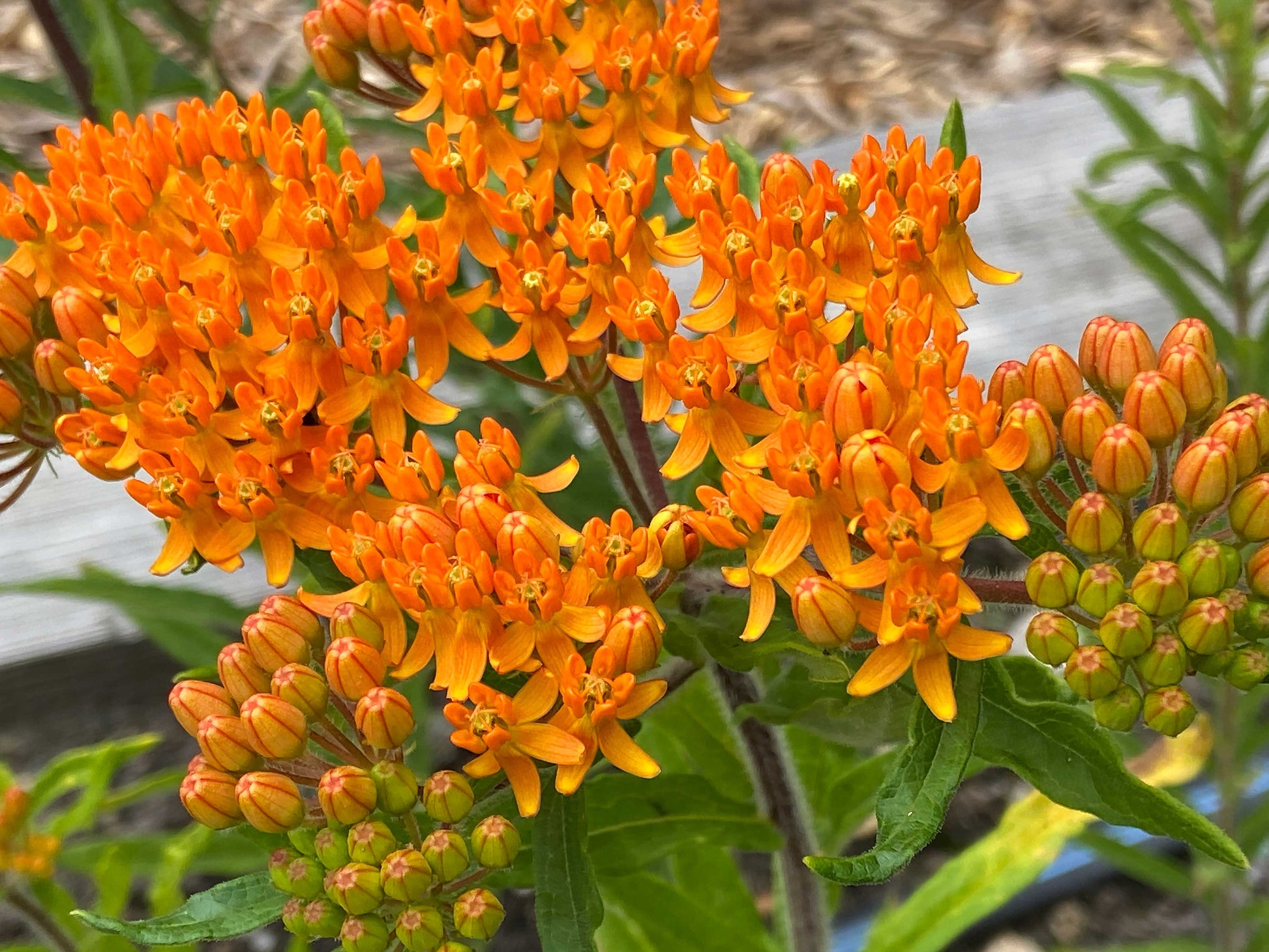
Butterfly Milkweed is a hassle-free heirloom and an important food source for endangered Monarch butterfly caterpillars. It also supplies nectar to many other butterflies, hummingbirds, honeybees and native bees. The flat-topped, tangerine-orange flower clusters glow in the summer garden like pollinator landing strips. Once established, this hardy perennial is drought tolerant and deer resistant. Adaptable and non-aggressive, it reliably returns bushier and more robust year after year.
Seed Count: Approx. 45-50 / Weight: 200 mg
- SKU:5713
Couldn't load pickup availability
Share
Quick Info
PLANT IN
March - June
SUN/SHADE
Full sun
PLANTING DEPTH
1/4 inch
SPACE SEEDS
2 - 4 inches
DAYS TO GERMINATE
14 - 21 days
MATURE HEIGHT
18 - 24 inches

Collapsible content
GROWING INSTRUCTIONS
PERENNIAL
Summer bloom. Hardy to USDA zone 3.
BEST TO PLANT DIRECTLY IN THE GARDEN
Sow seed 2 to 4 inches apart in a finely textured, well-worked garden bed in full sun once danger of frost is past. Cover ¼ inch deep and keep moist as seedlings emerge. Thin to stand 10 inches apart when seedlings are large enough to handle.
TO START EARLY INDOORS
Start seed indoors 8 to 10 weeks before last spring frost date. Sow seeds 1 inch apart in a container of seed starting mix and cover ¼ inch deep. Keep warm and moist; provide a strong light source until seedlings are ready to plant out. Once danger of frost is past, gradually acclimate plants to outdoor conditions, then transplant into the garden 10 inches apart into well drained soil in full sun.
GROWING NOTES
Asclepias needs full sun and excellent drainage. No extra fertilizer is needed except in very poor soil. In sunny borders, plants are host to Monarch butterflies and provide nectar to honeybees, wild bees and other pollinators. Foliage dies back in cold winter climates, but reliably sprouts back from the crowns come spring. Plants can take drier conditions once well established.
To improve germination for Asclepias, cold-moist stratify to break dormancy. For spring planting, place seeds in a damp paper towel or mix into damp sand and refrigerate in a plastic bag for 30 to 60 days before sowing. Alternatively, sow directly outdoors in late fall or early winter; seeds will naturally stratify and sprout once the soil warms. While foliage dies back in cold winter climates, it reliably returns from the crown each spring, and established plants are notably drought-tolerant.
Frequently Bought
Recently viewed